
A Comprehensive Guide to Sodium Chlorate: Uses, Benefits, and Safety
CH
Introduction to Sodium Chlorate
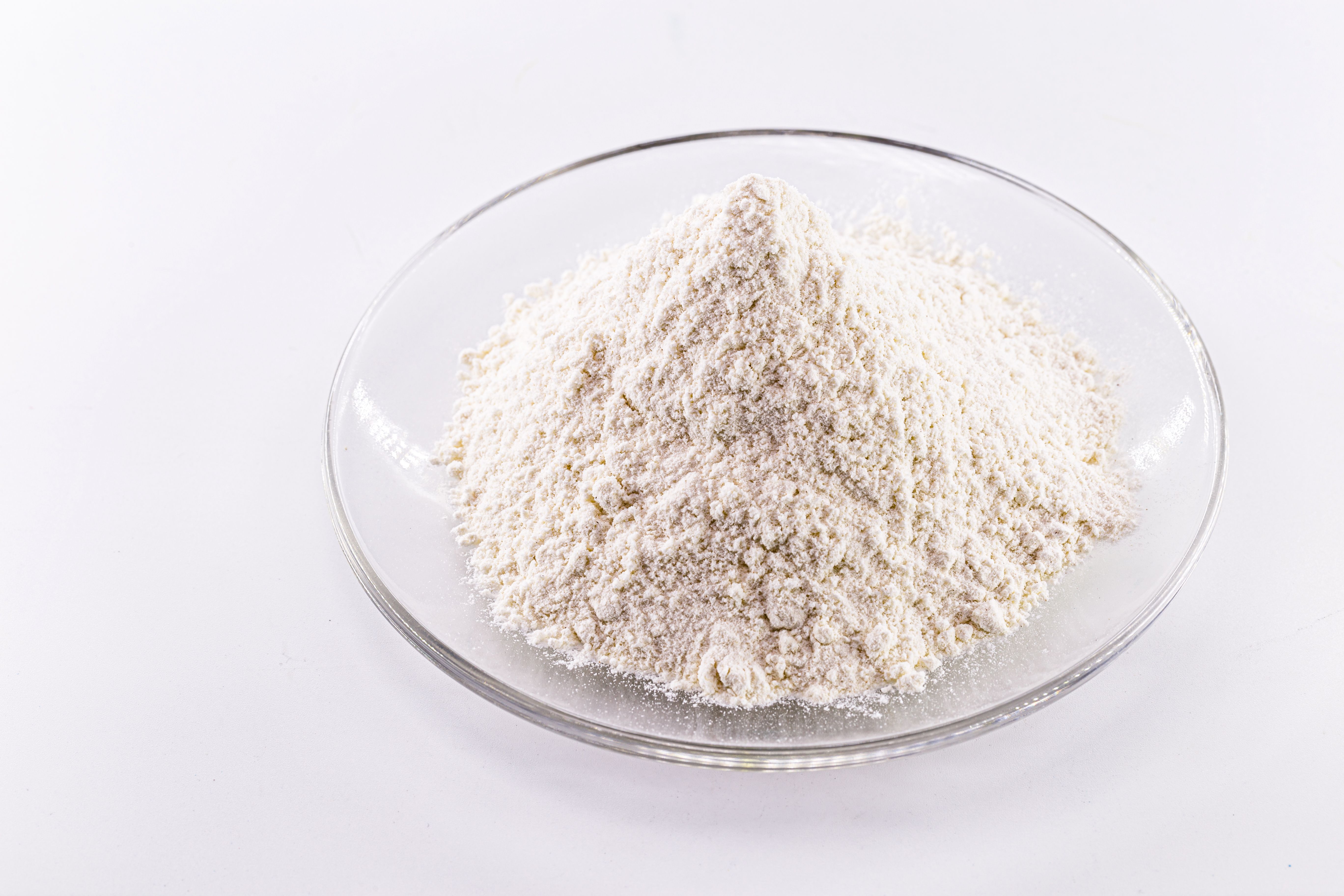
Sodium chlorate is a versatile chemical compound with the formula NaClO3. It is widely used in various industries due to its powerful oxidizing properties. This compound typically appears as a white crystalline powder and is highly soluble in water. Understanding its uses and safety measures is essential for those working with or around this substance.
Industrial Uses of Sodium Chlorate
The primary use of sodium chlorate is in the paper and pulp industry, where it acts as a bleaching agent. It helps in the production of high-quality, bright white paper by breaking down lignin, a natural component found in wood. Additionally, sodium chlorate is used in the manufacturing of dyes, explosives, and matches due to its ability to release oxygen when decomposed.
Agricultural Applications
In agriculture, sodium chlorate serves as a non-selective herbicide. It effectively controls weeds by destroying plant cells and inhibiting photosynthesis. However, it must be used cautiously, as it can harm desirable plants if not applied correctly. Farmers often apply it to clear fields before planting crops.

Benefits of Sodium Chlorate
Sodium chlorate offers several benefits that make it a valuable chemical in various sectors. Its strong oxidizing nature makes it an efficient bleaching agent, improving the quality and appearance of paper products. Its use as a herbicide helps maintain agricultural productivity by managing weed growth.
Environmental Advantages
Compared to other chemicals, sodium chlorate is considered more environmentally friendly in certain applications. When used responsibly, it breaks down into harmless by-products, minimizing its impact on ecosystems. This property makes it a preferred choice in industries looking to reduce their environmental footprint.

Safety Considerations
While sodium chlorate is beneficial, it requires careful handling to ensure safety. It is a strong oxidizer that can react explosively with organic materials under certain conditions. Therefore, it should be stored away from flammable substances and handled with protective equipment such as gloves and goggles.
Guidelines for Safe Use
When using sodium chlorate, it is crucial to follow specific guidelines to prevent accidents. These include:
- Storing it in a cool, dry place away from incompatible materials.
- Using appropriate personal protective equipment (PPE) during handling.
- Avoiding contact with skin and eyes to prevent irritation.
- Ensuring proper ventilation in areas where it is used or stored.

Conclusion
Sodium chlorate is an essential chemical with diverse applications across multiple industries. Its benefits, particularly in paper production and agriculture, underscore its importance. However, safety remains paramount when handling this compound due to its reactive nature. By adhering to recommended guidelines and understanding its properties, users can harness its advantages while minimizing risks.