
A Comprehensive Guide to Sodium Chlorate: Uses and Benefits
CH
Understanding Sodium Chlorate
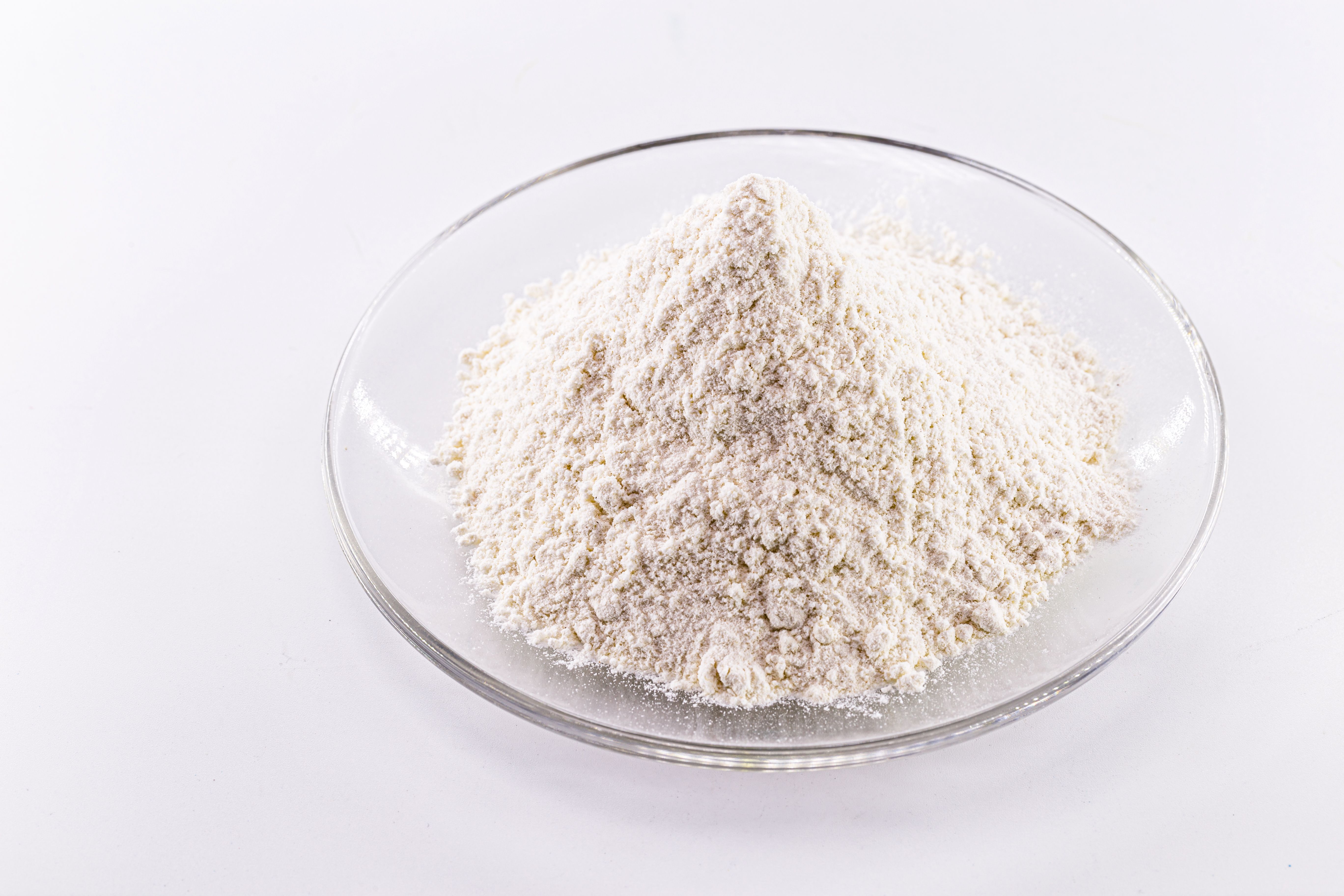
Sodium chlorate is a chemical compound with the formula NaClO3. It is a white, crystalline substance that readily dissolves in water. Known for its strong oxidizing properties, sodium chlorate is widely used across various industries. Its versatility makes it an essential component in numerous applications, ranging from agriculture to industrial manufacturing.
At room temperature, sodium chlorate is stable and poses minimal risk. However, when heated or mixed with combustible materials, it can become a powerful oxidizing agent. This characteristic underscores its importance in controlled environments where its reactivity can be harnessed effectively.
Key Uses of Sodium Chlorate
The primary use of sodium chlorate is as a herbicide. In agriculture, it plays a crucial role in controlling unwanted vegetation. By inhibiting photosynthesis, sodium chlorate effectively eliminates weeds and other undesired plants, promoting healthier crop growth.
Additionally, sodium chlorate is employed in the paper and pulp industry. It serves as a vital bleaching agent, helping to produce bright, high-quality paper products. The compound's oxidizing properties facilitate the breakdown of lignin, a component in wood that causes discoloration.

Industrial Applications
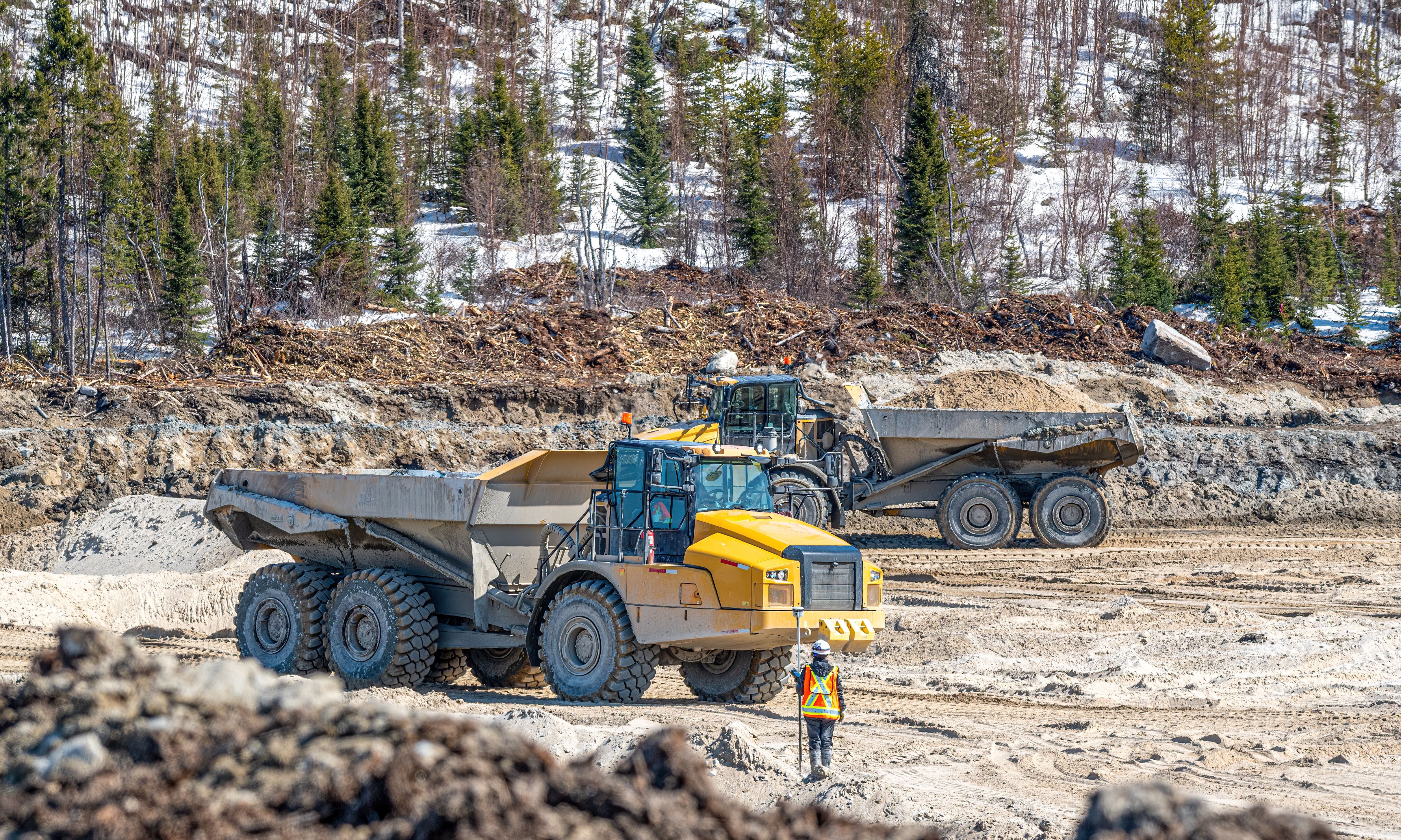
Sodium chlorate is also utilized in the mining industry, where it aids in metal extraction processes. By acting as an oxidant, it enhances the leaching process, ensuring more efficient recovery of valuable metals from ores. This application is particularly significant in the extraction of uranium and vanadium.
Moreover, the compound finds application in the production of chemical intermediates. Sodium chlorate is a precursor in the synthesis of perchlorates and other chlorine-based chemicals, which are integral to various industrial processes.
Benefits of Using Sodium Chlorate
One of the primary benefits of sodium chlorate is its effectiveness as a herbicide. It offers a reliable solution for farmers and agricultural professionals seeking to manage weed growth without damaging crops. Its ability to decompose quickly ensures minimal environmental impact when used responsibly.
In the paper industry, sodium chlorate's role in bleaching not only enhances product quality but also contributes to more sustainable practices. The use of this compound allows for less reliance on chlorine gas, reducing potential environmental pollution.
Safety and Environmental Considerations
While sodium chlorate offers numerous advantages, it is essential to handle it with care. Proper storage and handling procedures must be followed to prevent accidental ignition or reactions with other chemicals. Personal protective equipment (PPE) should be worn when dealing with this compound to ensure safety.
From an environmental perspective, sodium chlorate breaks down into benign substances when exposed to natural conditions. This decomposition minimizes its long-term impact on ecosystems, making it a more environmentally friendly option compared to other chemicals.

Conclusion
Sodium chlorate is a versatile compound with a wide range of applications across different industries. Its effectiveness as a herbicide, bleaching agent, and oxidant makes it an invaluable asset in agriculture, paper production, and mining. By understanding its uses and benefits, industries can continue to harness its potential while ensuring safe and responsible handling practices.