
Absorption Chillers vs. Traditional Systems: A Comparative Guide
CH
Understanding Absorption Chillers
Absorption chillers are a technology that uses heat instead of electricity to provide cooling. These systems are often powered by waste heat from other processes or solar thermal energy, making them a more sustainable choice in certain applications. Unlike traditional chillers, absorption chillers use a refrigerant and absorbent pair, typically lithium bromide and water, to transfer heat.
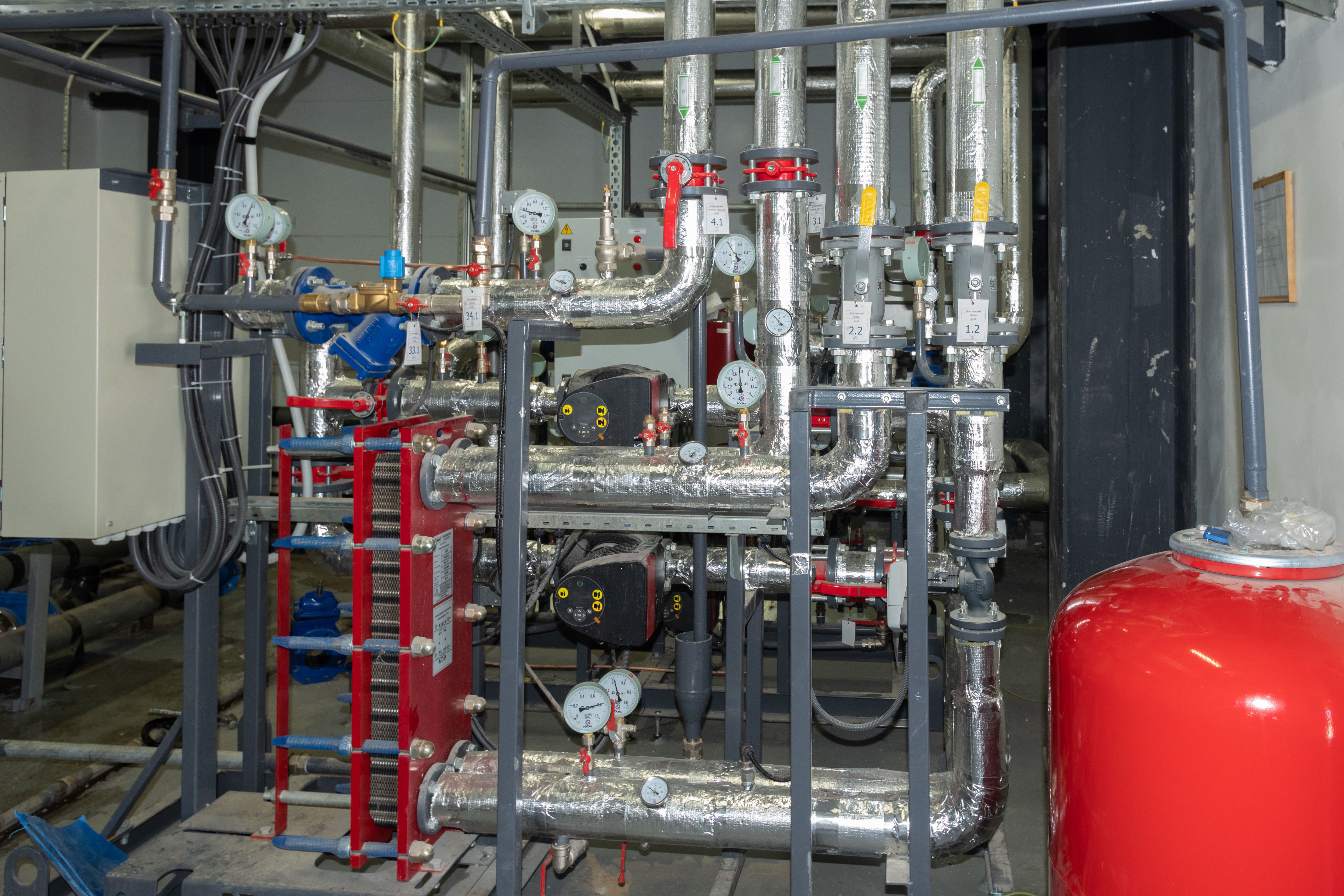
One of the key benefits of absorption chillers is their ability to utilize low-grade energy sources, which can result in reduced operating costs, especially in facilities that have excess heat available. However, their efficiency can be lower compared to conventional systems, particularly in environments where waste heat is not readily accessible.
Traditional Chiller Systems
Traditional chiller systems, such as vapor-compression chillers, work by using mechanical energy to compress and circulate a refrigerant. This method is highly effective and widely used in commercial and industrial settings due to its reliability and efficiency. Traditional systems often rely on electricity or fossil fuels to operate, which can lead to higher energy costs.

These chillers are known for their rapid cooling capabilities and adaptability to various applications. They are typically easier to maintain than absorption systems and offer a higher coefficient of performance (COP), which can be a deciding factor for businesses focused on energy efficiency.
Key Differences: Absorption vs. Traditional
When comparing absorption chillers with traditional systems, several factors come into play:
- Energy Source: Absorption chillers use heat sources, while traditional chillers use electricity.
- Efficiency: Traditional chillers tend to have higher operational efficiency, but absorption chillers can be more cost-effective when paired with ample waste heat.
- Environmental Impact: Absorption chillers can reduce carbon footprint by utilizing renewable energy sources.

Cost Considerations
The initial investment for absorption chillers can be higher because of their specialized components and installation requirements. However, they may offer lower operating costs in the long term if waste heat is available. Traditional systems may have lower upfront costs but could incur higher utility expenses.
Maintenance and Reliability
Traditional chillers usually require less frequent maintenance compared to absorption chillers, which can be more complex due to their chemical processes. The reliability of traditional systems often makes them the preferred choice for facilities with critical cooling needs.
Which System Is Right for You?
The decision between absorption chillers and traditional systems largely depends on the specific needs and resources of a facility. Factors such as available energy sources, budget constraints, and environmental goals should all be considered. Facilities with significant waste heat or solar potential may benefit from the sustainability of absorption chillers, while those needing robust performance might lean towards traditional systems.

In conclusion, both absorption and traditional chillers have their unique advantages and challenges. By understanding these differences, businesses can make informed decisions that align with their operational goals and sustainability initiatives.