
Choosing the Right Inverter for Your Needs: A Comprehensive Guide
CH
Understanding Inverter Basics
Inverters are essential devices that convert direct current (DC) into alternating current (AC), making them crucial for running household appliances and electronics. Whether you're looking to power a small gadget or a complete home, choosing the right inverter is key to ensuring efficiency and reliability. The market offers a wide range of options, and understanding the basics is important to make an informed decision.

Types of Inverters
When selecting an inverter, it's important to know the different types available. The three main categories are:
- Pure Sine Wave Inverters: These provide high-quality power output, ideal for sensitive electronics and appliances.
- Modified Sine Wave Inverters: More affordable than pure sine wave inverters, these are suitable for less sensitive equipment but may cause issues with certain devices.
- Square Wave Inverters: The least expensive and least efficient, these are mostly used for simple tools and lights.
Evaluating Your Power Requirements
Before purchasing an inverter, assess your power needs. Consider the total wattage of all devices you intend to power simultaneously. Inverters are rated in watts, and it's crucial to choose one that can handle your peak power load. It’s advisable to opt for an inverter with a slightly higher capacity than your calculated requirement to avoid overloading.
Key Features to Consider
When selecting an inverter, several features should be taken into account:
- Efficiency: Look for inverters with high efficiency ratings to save energy and reduce costs.
- Surge Capacity: Ensure the inverter can handle short-term power surges, especially if you’re powering devices with high start-up currents.
- Portability: If you need an inverter for travel or outdoor use, consider compact and lightweight models.
Installation and Safety
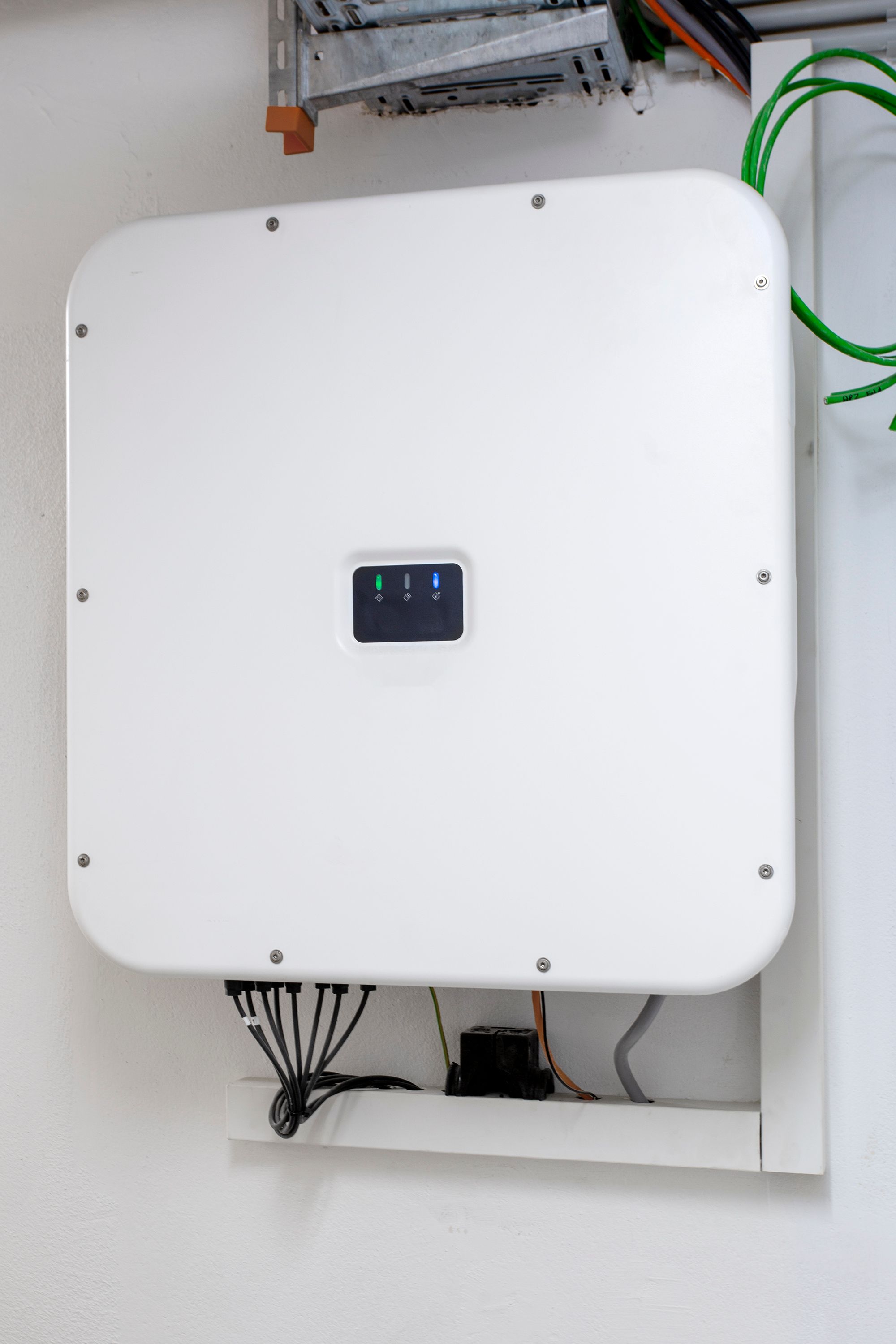
Proper installation is crucial for the safe operation of your inverter. It’s recommended to consult a professional electrician if you’re unfamiliar with electrical systems. Additionally, ensure the inverter has built-in safety features like overload protection and thermal shutdown to prevent accidents and damage.
Brand and Price Considerations
The brand and price of an inverter can significantly influence your buying decision. Established brands often offer more reliable products with better warranties. However, price doesn't always equate to quality. Compare different models and read customer reviews to find a product that offers the best value for your budget.

Environmental Impact
Inverters contribute to energy consumption, so consider models with eco-friendly features that minimize environmental impact. Some inverters are designed to optimize power usage, reducing your carbon footprint. Opting for energy-efficient models can lead to long-term savings while supporting sustainability efforts.
Conclusion
Selecting the right inverter involves evaluating several factors, from type and power requirements to features and budget. By understanding your specific needs and researching the available options, you can find an inverter that provides reliable power for your home or travel needs. Being informed will help you make the most suitable choice, ensuring both performance and peace of mind.