
Comparative Analysis: Sodium Chlorate vs. Other Chemical Compounds
CH
Introduction to Sodium Chlorate
Sodium chlorate is a widely used chemical compound with the formula NaClO3. It is primarily utilized in the paper and pulp industry as a bleaching agent. Its oxidizing properties make it effective for various applications, including herbicides and explosives. Understanding how sodium chlorate compares to other chemical compounds in similar applications is crucial for industries relying on these substances.
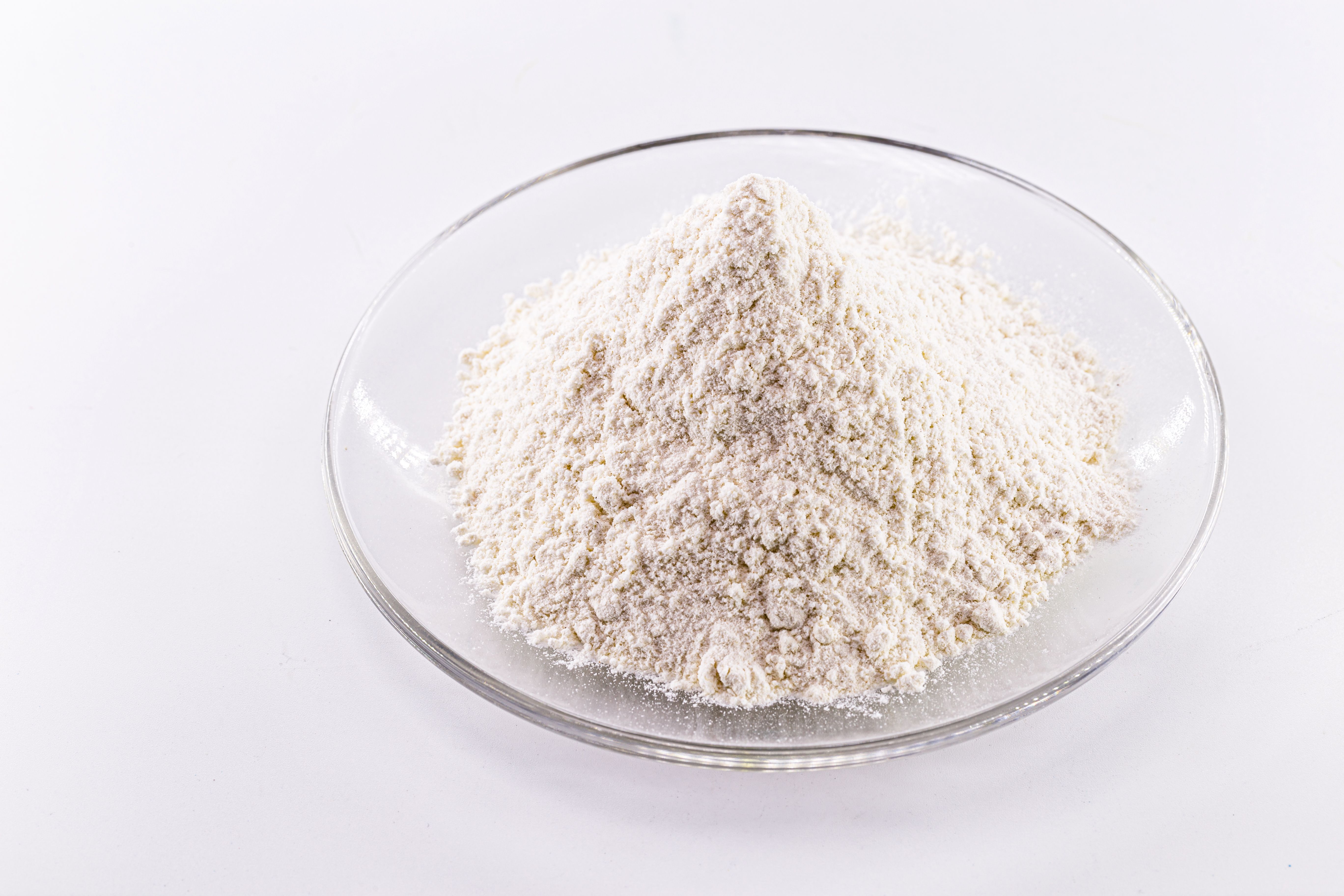
Comparative Properties
When comparing sodium chlorate to other compounds, it's essential to examine key properties such as solubility, stability, and reactivity. Sodium chlorate is highly soluble in water, which makes it convenient for aqueous solutions. However, it can be less stable than other compounds under high temperatures, leading to potential safety hazards. Its reactivity, particularly as an oxidizing agent, is both an asset and a liability, depending on the application.
Solubility
Sodium chlorate's solubility in water is a significant advantage over certain other oxidizing agents. For instance, potassium chlorate (KClO3) is less soluble, which can limit its use in aqueous applications. This property allows sodium chlorate to be more versatile in industrial processes where liquid formulations are preferred.

Applications and Effectiveness
The effectiveness of sodium chlorate as a bleaching agent in the paper industry is well-documented. It compares favorably to hydrogen peroxide (H2O2), another common bleaching agent. While hydrogen peroxide is environmentally friendly and offers fewer safety concerns, sodium chlorate remains preferred in specific contexts due to its cost-effectiveness and efficiency in achieving desired results.
Herbicidal Uses
Sodium chlorate is also used as a non-selective herbicide. Compared to glyphosate, a more widely recognized herbicide, sodium chlorate has the advantage of providing quick action against unwanted vegetation. However, glyphosate tends to be more selective and poses fewer environmental risks, which has led to its broader acceptance in agricultural sectors.

Safety Considerations
Safety is a critical factor when choosing between sodium chlorate and other chemical compounds. Sodium chlorate's oxidizing nature requires careful handling and storage to prevent unwanted reactions. In comparison, compounds like ammonium nitrate are also potent oxidizers but may offer more stability under varying conditions.
Handling and Storage
Proper handling and storage of sodium chlorate are essential to ensure workplace safety. Industries employing this compound must adhere to stringent guidelines to prevent accidental ignition or decomposition. Safety measures typically include maintaining cool, dry environments and using appropriate personal protective equipment (PPE).
Environmental Impact
Sodium chlorate's impact on the environment is another consideration for its use. Compared to other compounds like urea or ammonium sulfate used in fertilizers, sodium chlorate does not contribute to nutrient pollution but can pose risks if released uncontrolled into ecosystems. Assessing environmental impact helps industries make informed decisions regarding chemical usage.

Conclusion
In conclusion, sodium chlorate holds distinct advantages in certain industrial applications due to its solubility and effectiveness as an oxidizing agent. However, its use must be carefully weighed against safety and environmental concerns. A comparative analysis with other chemical compounds reveals that while sodium chlorate is highly effective in specific contexts, alternative compounds may offer benefits such as greater stability or reduced environmental impact.