
Debunking Myths About Sodium Chlorate: Safety and Environmental Impact
CH
Understanding Sodium Chlorate
Sodium chlorate is a chemical compound widely used in various industries, including agriculture and paper manufacturing. Despite its usefulness, several myths about its safety and environmental impact persist. This post aims to clarify these misconceptions and present a balanced view of sodium chlorate.
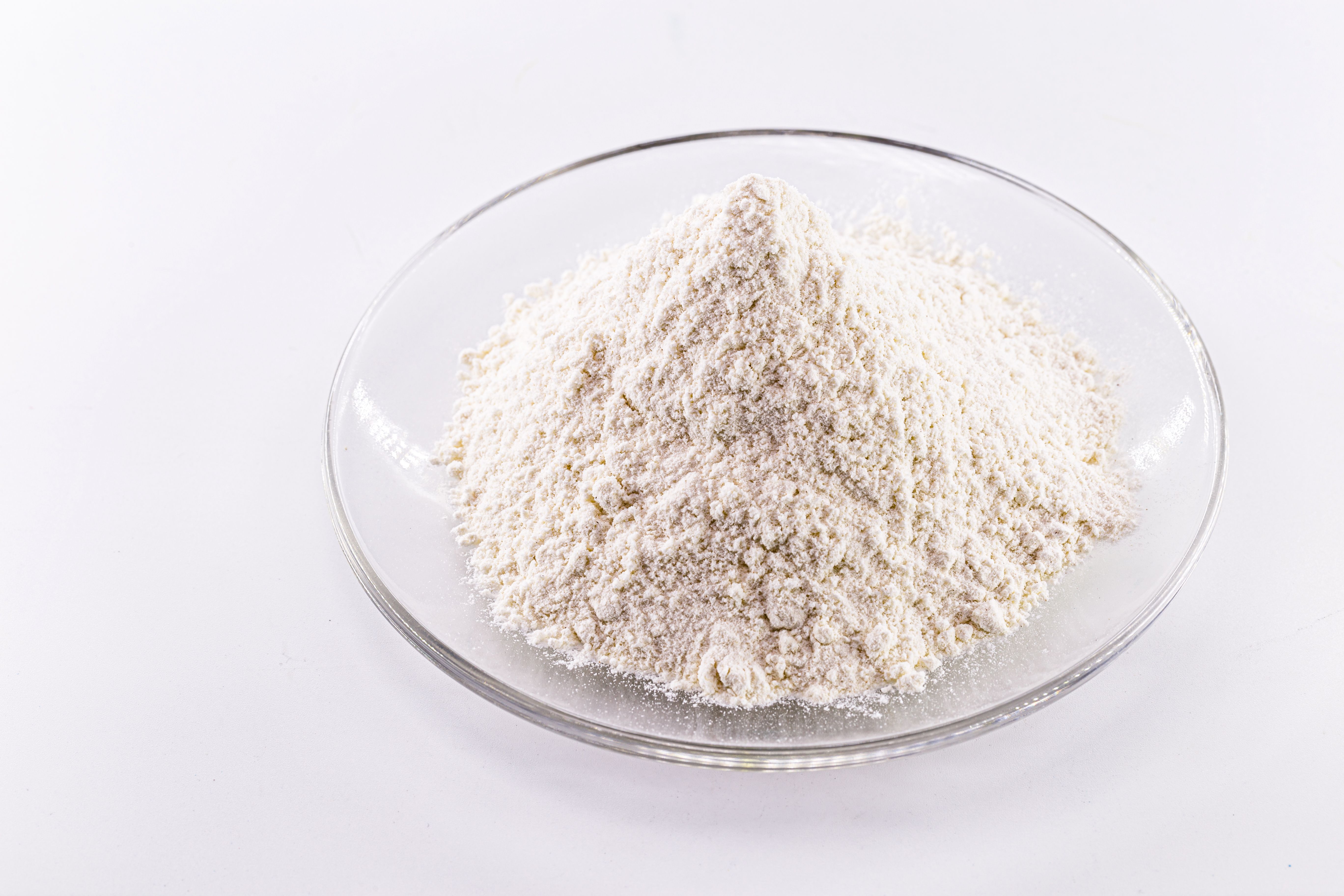
Myth: Sodium Chlorate is Extremely Hazardous
One common myth is that sodium chlorate is highly dangerous. While it is true that sodium chlorate can be hazardous if mishandled, it is generally safe when used according to guidelines. The key is understanding its properties and maintaining proper storage and handling practices.
Sodium chlorate is primarily an oxidizing agent. This means it can pose a fire risk if it comes into contact with combustible materials. However, with proper safety protocols, such risks can be effectively managed.
Safe Handling Practices
To ensure safety, companies should provide training on handling sodium chlorate and maintain clear safety protocols. Here are some essential practices:
- Store in a cool, dry place away from flammable substances.
- Use protective gear such as gloves and goggles when handling.
- Implement regular safety audits and training sessions.

Myth: Sodium Chlorate Harms the Environment
Another misconception is that sodium chlorate poses significant environmental threats. In reality, when used responsibly, its environmental impact is minimal. Sodium chlorate breaks down into non-toxic substances, reducing long-term environmental risks.
Moreover, its role in agriculture as a defoliant helps in efficient crop harvesting, which can contribute to sustainable farming practices. Proper application ensures that residues do not build up in the environment.
Environmental Benefits
Using sodium chlorate in controlled amounts can actually support environmental health. Here are a few benefits:
- Enhances crop yield and reduces waste.
- Minimizes the need for more harmful chemical alternatives.
- Facilitates efficient resource use in industrial processes.

Conclusion: Balancing Use and Safety
While sodium chlorate does have potential risks, understanding and debunking the myths surrounding it helps in making informed decisions. By following safety protocols and responsible usage guidelines, industries can leverage its benefits without compromising safety or environmental integrity.
In conclusion, sodium chlorate remains a valuable chemical in various sectors. Its safe and responsible use ensures that its advantages outweigh the potential downsides, promoting both industrial efficiency and environmental sustainability.