
Demystifying Common Myths About Sodium Chlorate
CH
Understanding Sodium Chlorate
Sodium chlorate is a chemical compound with the formula NaClO₃, widely used in various industries. Despite its extensive applications, there are numerous myths and misconceptions about sodium chlorate that often lead to confusion. In this post, we aim to demystify these common myths and provide a clear understanding of this versatile compound.
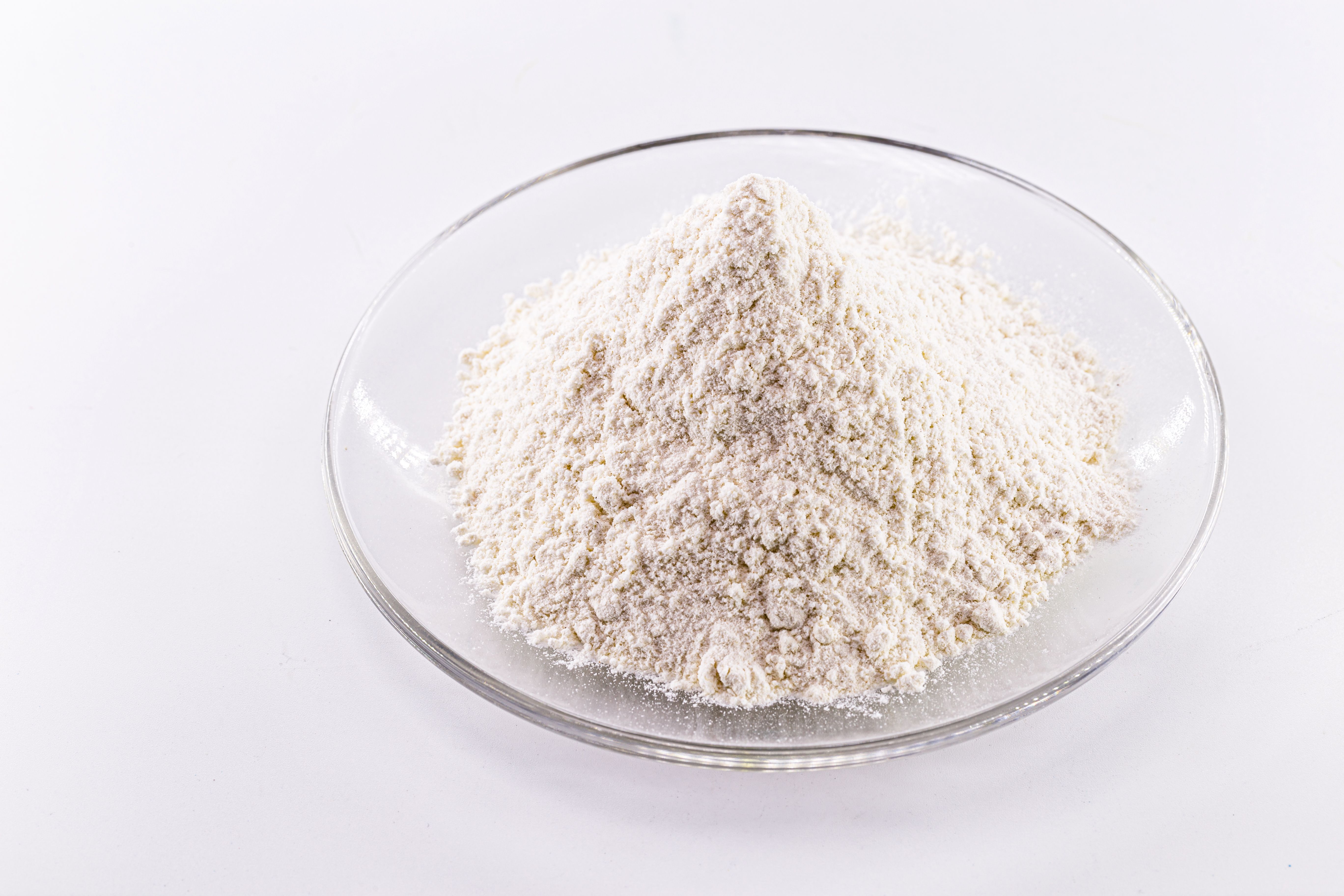
Myth 1: Sodium Chlorate is a Dangerous Substance
One of the most prevalent myths about sodium chlorate is that it is inherently dangerous. While it is true that sodium chlorate can be hazardous if mishandled, it is important to note that it is safely used in controlled environments. In fact, sodium chlorate is essential in the paper and pulp industry for bleaching paper and in agriculture as a herbicide. With proper handling and safety protocols, sodium chlorate can be used without undue risk.
Industries follow stringent guidelines to ensure safety when using sodium chlorate. Personal protective equipment (PPE) and proper storage conditions significantly reduce the risks associated with its use. Understanding and respecting these guidelines help in safely utilizing sodium chlorate's benefits.
Myth 2: Sodium Chlorate is a Major Environmental Hazard
Another common misconception is that sodium chlorate is a significant environmental threat. However, when used responsibly, its environmental impact can be minimized. Sodium chlorate breaks down into non-toxic substances under environmental conditions, reducing its potential harm to ecosystems.

Moreover, advancements in technology have led to more efficient usage of sodium chlorate, further minimizing its ecological footprint. Industries are also adopting greener practices, ensuring that the use of sodium chlorate aligns with environmental sustainability goals.
Myth 3: Sodium Chlorate is Only Useful as a Herbicide
While sodium chlorate is indeed used as a herbicide, its applications extend far beyond agriculture. It plays a crucial role in the paper and pulp industry, where it serves as a bleaching agent. This application is vital for producing high-quality, bright white paper products.
In addition to its role in bleaching, sodium chlorate is also used in the production of dyes and explosives. Its versatility makes it an invaluable component in various industrial processes. Understanding the diverse uses of sodium chlorate helps dispel the myth that its utility is limited to agriculture alone.
Myth 4: Sodium Chlorate Can Be Used Without Precautions
Some believe that sodium chlorate can be used without any precautions, which is far from true. Safety measures must always be in place when handling this compound to prevent accidents and ensure safe usage. Proper training and adherence to safety protocols are essential for anyone working with sodium chlorate.
The importance of using appropriate PPE, such as gloves and goggles, cannot be overstated. Additionally, proper storage conditions are crucial to prevent decomposition or accidental ignition. By respecting these safety measures, the risks associated with sodium chlorate can be effectively managed.
Conclusion
Demystifying the myths surrounding sodium chlorate helps promote informed usage and enhances safety across industries. By understanding its properties and applications, users can leverage the benefits of sodium chlorate while minimizing potential risks. As with any chemical compound, respect for safety guidelines and responsible handling practices are key to unlocking its full potential.