How Inverters Enhance Efficiency in Mechatronics Systems
CH
Understanding Inverters in Mechatronics Systems
Inverters play a crucial role in enhancing the efficiency of mechatronics systems. By converting direct current (DC) to alternating current (AC), they ensure that the systems operate seamlessly. This conversion is vital for applications where AC power is required from a DC source, such as in renewable energy systems and electric vehicles.
One of the primary benefits of using inverters is their ability to control the speed and torque of motors. This control is essential for optimizing the performance of various components within a mechatronics system, resulting in improved energy efficiency and reduced operational costs.
Improving Energy Efficiency
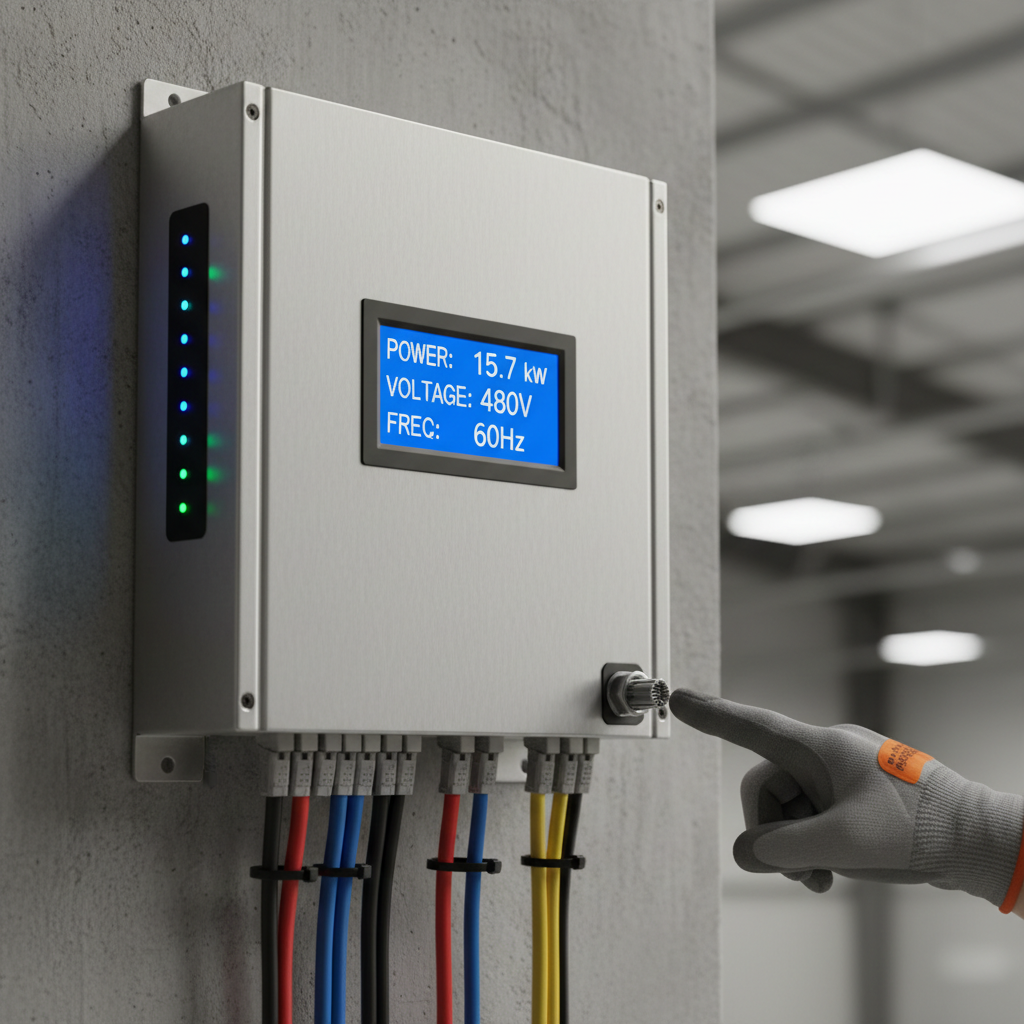
Energy efficiency is a key concern in mechatronics. Inverters contribute significantly to this by reducing energy consumption. By providing precise control over motor speed, inverters allow systems to operate only as needed, minimizing waste. This not only saves energy but also extends the lifespan of the components.
Moreover, inverters can adjust the power output to match the load requirements, ensuring that no excess energy is consumed. This capability is particularly important in industrial applications where large motors are prevalent.

Regenerative Braking
Another way inverters enhance efficiency is through regenerative braking. This process involves converting the kinetic energy produced during braking back into electrical energy, which is then fed back into the system. This reclaimed energy can be used to power other components or stored for future use, further enhancing overall efficiency.
Enhancing System Flexibility
Inverters also offer greater flexibility in system design and operation. By providing variable frequency and voltage outputs, they enable designers to create systems that can adapt to varying operational requirements. This adaptability is essential for modern mechatronics systems that often operate under diverse conditions.
Additionally, inverters facilitate the integration of renewable energy sources. By converting the DC power generated by solar panels or wind turbines into AC power, inverters make it possible to incorporate these sources into existing systems without major modifications.
Reduced Maintenance and Downtime
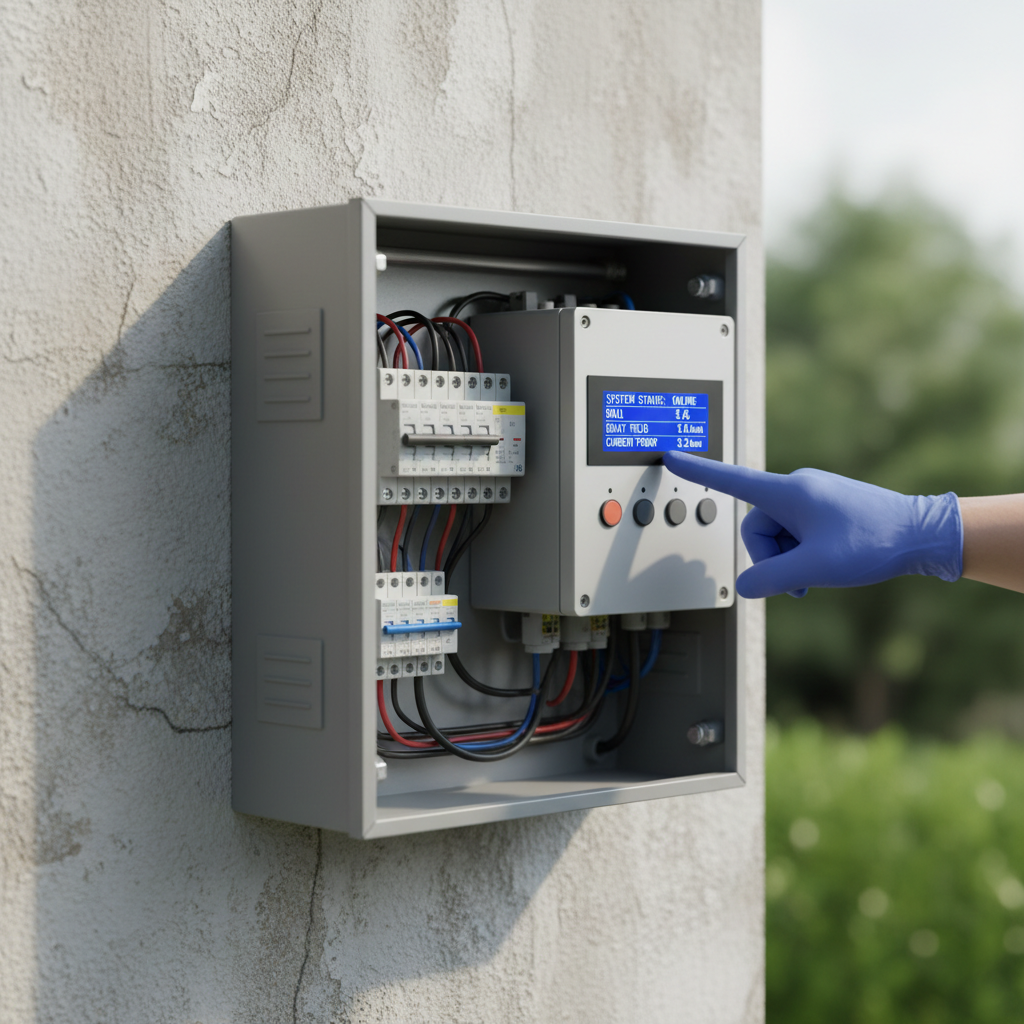
The use of inverters can lead to reduced maintenance needs and downtime. Since inverters allow for smoother control of motor operations, they reduce wear and tear on mechanical components. This results in fewer breakdowns and lower maintenance costs, contributing to more efficient system operation.
Conclusion: The Role of Inverters in Modern Mechatronics
In conclusion, inverters are indispensable in enhancing the efficiency and functionality of mechatronics systems. By providing precise control over electrical and mechanical components, they not only improve energy efficiency but also offer greater flexibility and reduced maintenance. As technology continues to advance, the role of inverters in mechatronics is set to become even more significant.
For businesses and industries looking to optimize their systems, investing in high-quality inverters is a strategic move that promises long-term benefits. As they enable the seamless integration of renewable energy sources, inverters also contribute to a more sustainable and eco-friendly future.