
How to Identify High-Quality Gemstones: An Expert's Guide
CH
Understanding Gemstone Quality
When it comes to gemstones, quality is everything. Whether you're a seasoned collector or a budding enthusiast, knowing how to identify high-quality gemstones is crucial. It's not just about aesthetics; the value and longevity of your collection depend on it.
In this guide, we'll explore the key factors that contribute to a gemstone's quality. By the end, you'll be equipped with the knowledge to make informed decisions and appreciate the intricacies of these natural wonders.
The Four Cs of Gemstones
Color
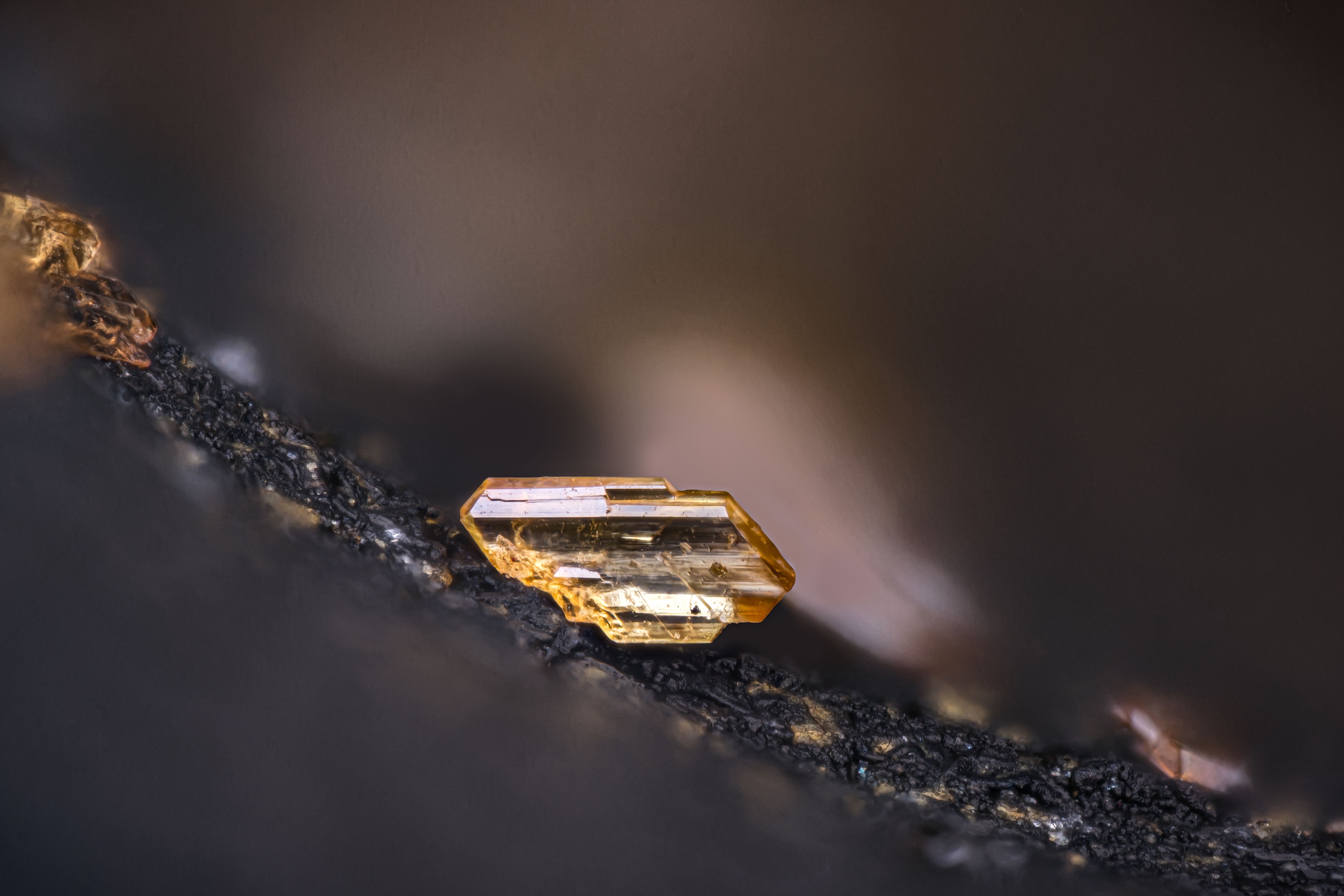
Color is often the first thing people notice about a gemstone. The hue, tone, and saturation all contribute to its overall appearance. High-quality gemstones boast vivid colors with minimal imperfections. For instance, a deep blue in sapphires or a rich green in emeralds is typically more desirable.
Clarity
Clarity refers to the presence of inclusions or blemishes within the gemstone. While all natural gemstones have some inclusions, those with fewer and less visible imperfections are considered higher quality. The clarity is assessed by examining the stone under magnification.
Cut
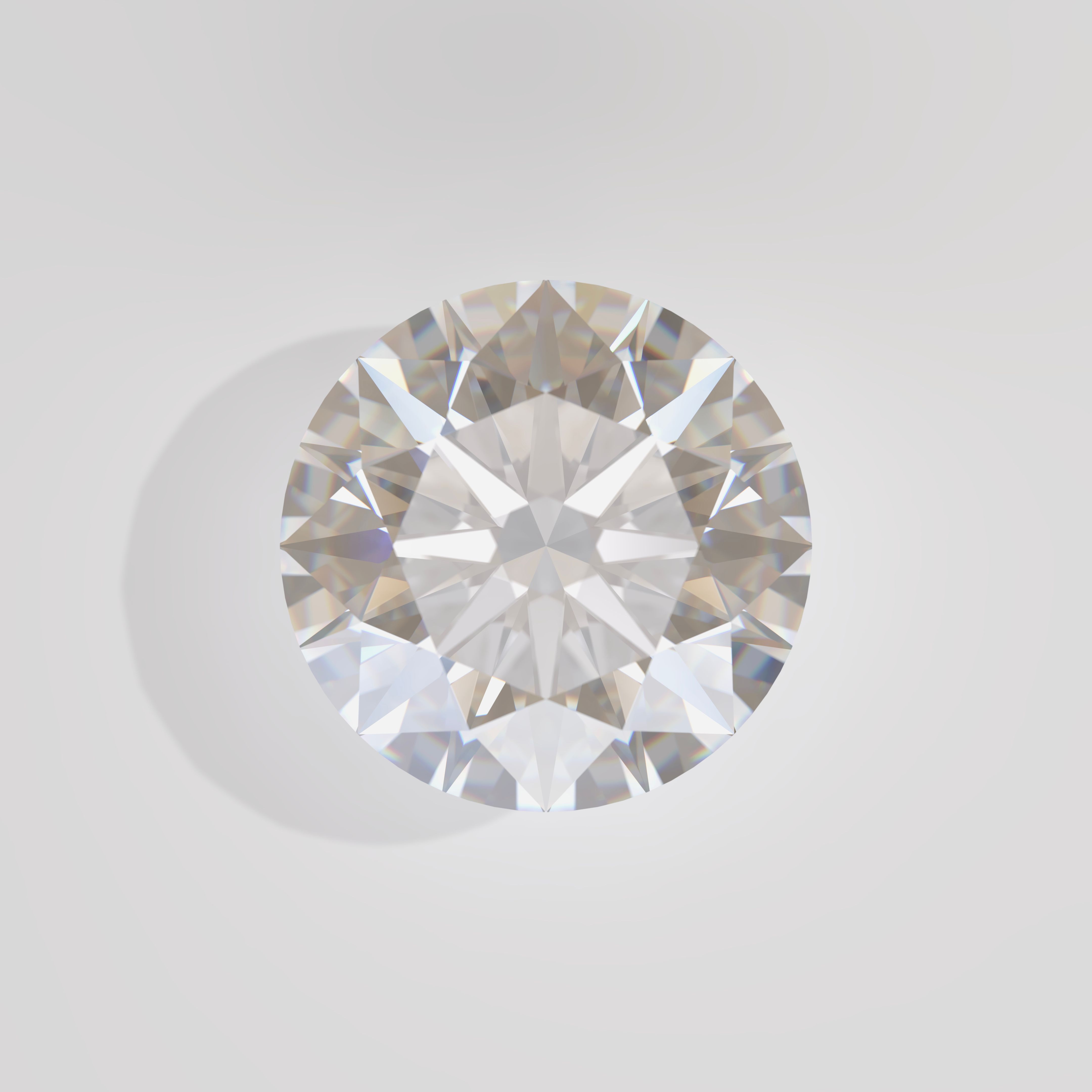
The cut of a gemstone significantly affects its brilliance and sparkle. A well-cut gemstone will have precise facets that reflect light beautifully. Whether it's an emerald cut or a brilliant round cut, precision in cutting maximizes the stone's visual appeal.
Carat Weight
Carat weight measures the size of a gemstone. While larger stones are often more valuable, it's essential to balance size with quality. A smaller gemstone of superior quality can be more desirable than a larger one with imperfections.
Additional Factors in Gemstone Quality
Treatment and Enhancement
Many gemstones undergo treatments to enhance their appearance. Heat treatment, for example, can improve color or clarity. While these treatments are standard in the industry, untreated gemstones often fetch higher prices due to their natural state.
Origin and Provenance
The origin of a gemstone can affect its value. Some regions are known for producing superior stones, such as Kashmir for sapphires or Colombia for emeralds. Understanding a gemstone's provenance can provide valuable context for its quality and rarity.
Consulting Experts
If you're uncertain about assessing a gemstone's quality, consulting with a gemologist or an experienced jeweler is advisable. They can offer detailed evaluations and authenticate stones using specialized equipment.
Conclusion
Identifying high-quality gemstones requires attention to detail and knowledge of various factors. From the Four Cs to treatment processes and origins, each aspect plays a role in determining a gemstone's value. By understanding these elements, you can confidently choose stones that not only captivate with their beauty but also hold their value over time.