
Innovations in Mechatronics: Transforming Singapore's Industrial Landscape
CH
Introduction to Mechatronics in Singapore
In recent years, Singapore has emerged as a global hub for technological innovation and advanced manufacturing. At the heart of this transformation is mechatronics—a multidisciplinary field that combines mechanical engineering, electronics, computer science, and control engineering. This blend of technologies is paving the way for a new industrial landscape in Singapore, driving efficiency, productivity, and sustainability.
The Role of Mechatronics in Modern Industry
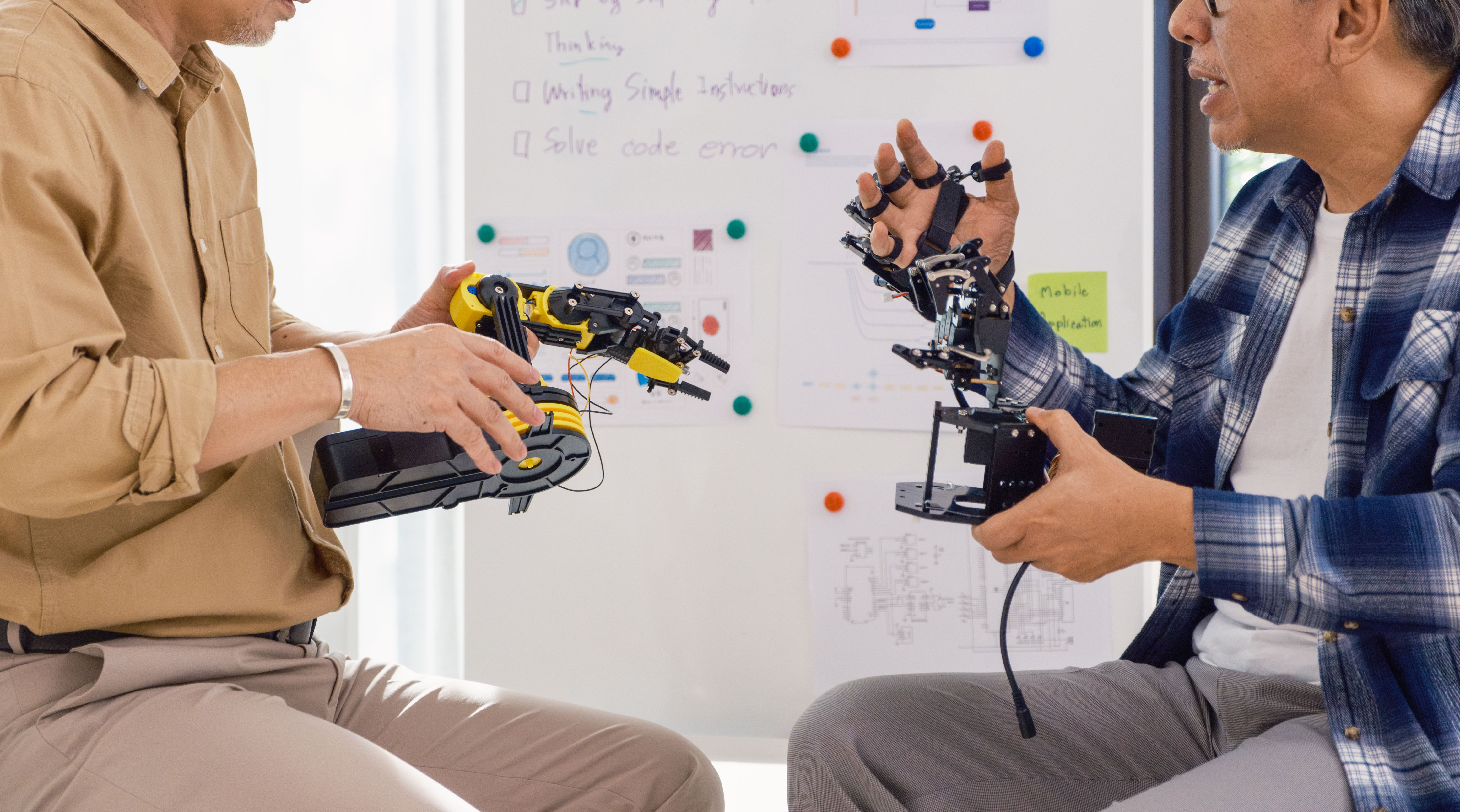
Mechatronics plays a crucial role in the automation and optimization of industrial processes. By integrating intelligent control systems with mechanical components, industries can achieve unprecedented levels of precision and operational efficiency. This is particularly important for Singapore, where high-value manufacturing and complex systems are integral to its economic strategy.
Advanced robotics, a key component of mechatronics, is revolutionizing sectors such as electronics manufacturing, aerospace, and healthcare. These robots are capable of performing intricate tasks with minimal human intervention, leading to reduced labor costs and enhanced product quality.
Key Innovations Driving Change
Several innovations are at the forefront of mechatronics in Singapore. Among them are:
- Smart Manufacturing: Leveraging IoT and AI to create interconnected production systems.
- Autonomous Systems: Developing self-operating machinery that can adapt to changing environments.
- Precision Engineering: Enhancing the accuracy of manufacturing processes through advanced sensors and control algorithms.
Case Studies: Success Stories in Singapore
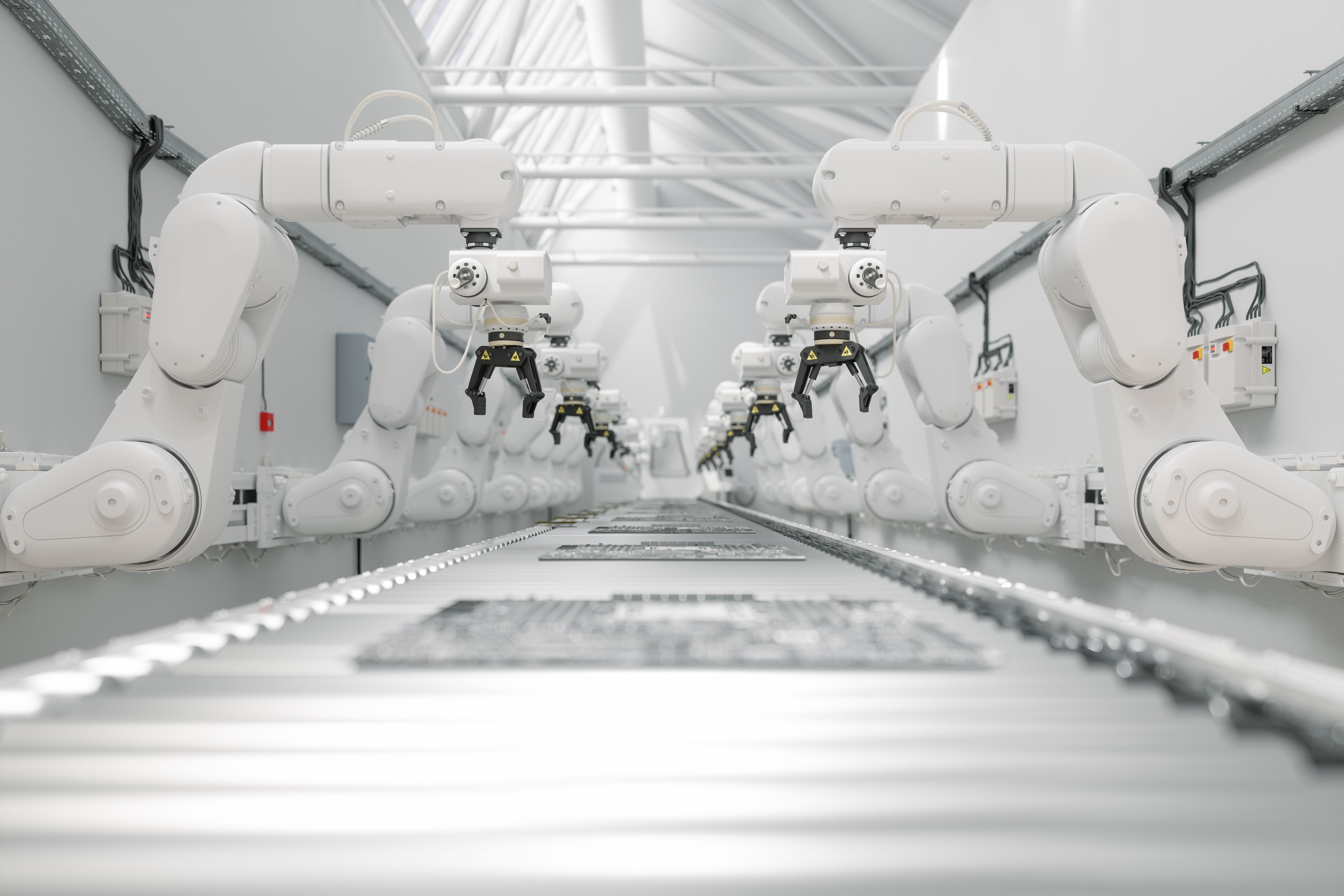
Several companies in Singapore have successfully adopted mechatronic solutions to stay ahead in the competitive market. For instance, a local electronics manufacturer has integrated automated assembly lines powered by AI-driven robotics. This transition has not only increased production speed but also significantly reduced error rates.
In another example, a Singaporean aerospace firm utilizes mechatronic systems for precision machining of aircraft components. This has resulted in a 30% reduction in production time while maintaining stringent quality standards.
Educational Initiatives and Research
Singapore's commitment to fostering innovation in mechatronics is evident through its educational initiatives and research investments. Universities and research institutes are actively collaborating with industry leaders to develop cutting-edge technologies and cultivate a skilled workforce capable of supporting this evolving field.
Programs focus on equipping students with the necessary skills in robotics, control systems, and software integration, ensuring they are prepared to contribute effectively to the industry upon graduation.

The Future of Mechatronics in Singapore
As technological advancements continue to accelerate, the role of mechatronics in shaping Singapore's industrial landscape will only grow more significant. The integration of emerging technologies such as machine learning and big data analytics will further enhance the capabilities of mechatronic systems, opening new avenues for innovation.
Singapore's strategic vision aims to position the nation as a leader in smart manufacturing and sustainable industrial practices. Mechatronics will be a cornerstone of this vision, driving economic growth and technological prowess.
Conclusion
In conclusion, mechatronics is transforming Singapore's industrial landscape by driving innovation across various sectors. Through strategic investments in technology and education, Singapore is well-equipped to harness the potential of mechatronics, ensuring its continued leadership on the global stage. The future looks promising as the nation embraces these advancements to build a more resilient and prosperous economy.