Leveraging Mechatronics for Industrial Automation: Key Benefits and Applications
CH
Understanding Mechatronics in Industrial Automation
Mechatronics, a multidisciplinary field combining mechanics, electronics, computer science, and control engineering, is revolutionizing industrial automation. By integrating these technologies, businesses can create more efficient, flexible, and precise manufacturing processes. As industries strive for higher productivity and cost-effectiveness, mechatronics plays a pivotal role.
In the industrial sector, automation is key to maintaining competitiveness. Mechatronics enables the development of intelligent systems that enhance productivity while reducing human intervention. This approach not only increases output but also minimizes errors and waste, leading to substantial cost savings.
Key Benefits of Mechatronics in Industrial Automation
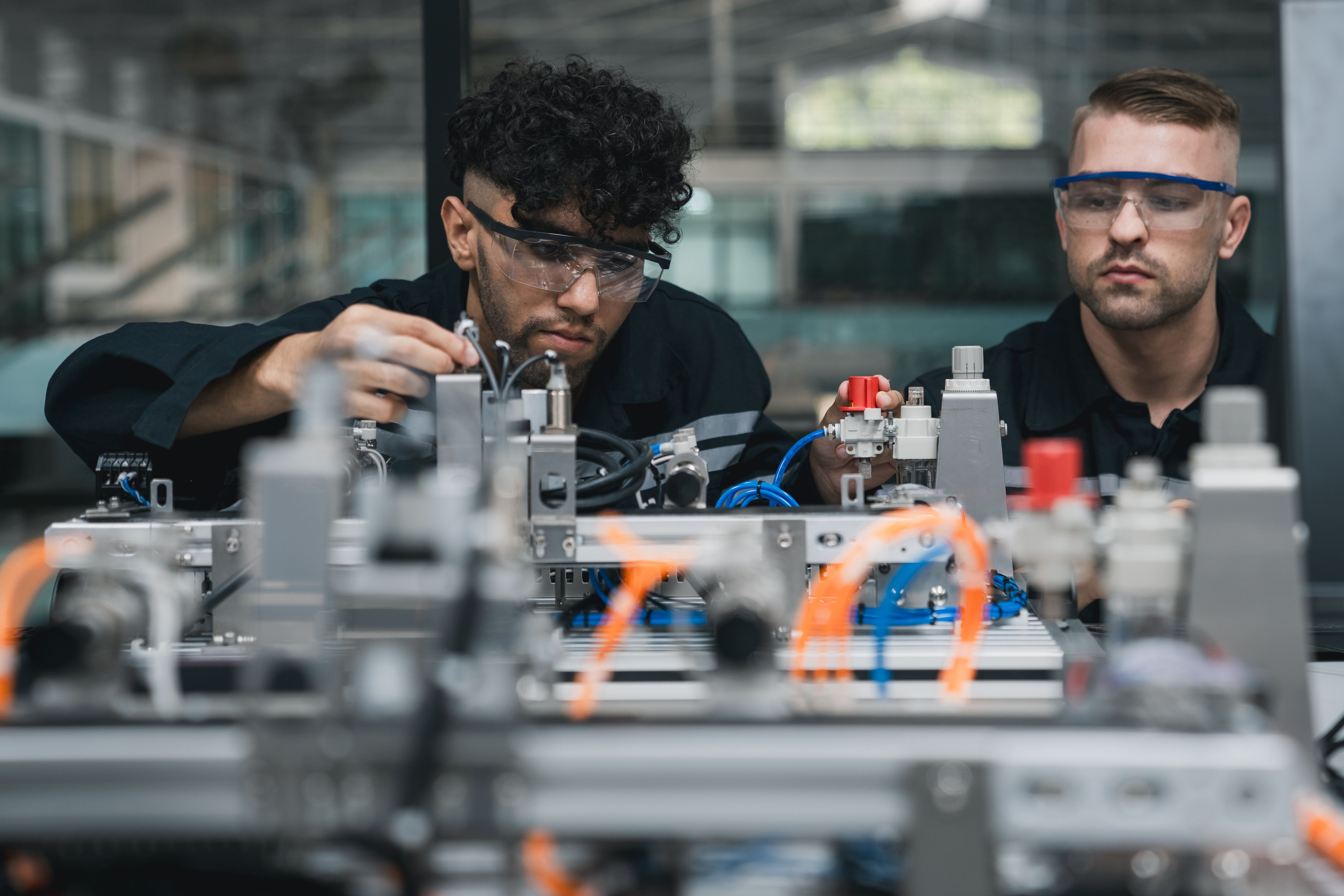
One of the most significant benefits of mechatronics in industrial automation is enhanced precision. Automated systems equipped with advanced sensors and control algorithms can perform tasks with remarkable accuracy, improving product quality and consistency. This precision is particularly critical in industries such as automotive and electronics manufacturing.
Furthermore, mechatronics facilitates increased flexibility in production lines. Unlike traditional systems that require significant downtime for reconfiguration, mechatronic systems can be quickly adapted to produce different products or variations. This adaptability is crucial in today’s dynamic market environment where consumer demands are constantly changing.

Applications of Mechatronics in Various Industries
Mechatronics is making a significant impact across various industries. In the automotive sector, it is used to develop advanced driver-assistance systems (ADAS) that enhance vehicle safety and performance. These systems rely on a combination of sensors, cameras, and control units to provide real-time feedback and automate certain driving functions.
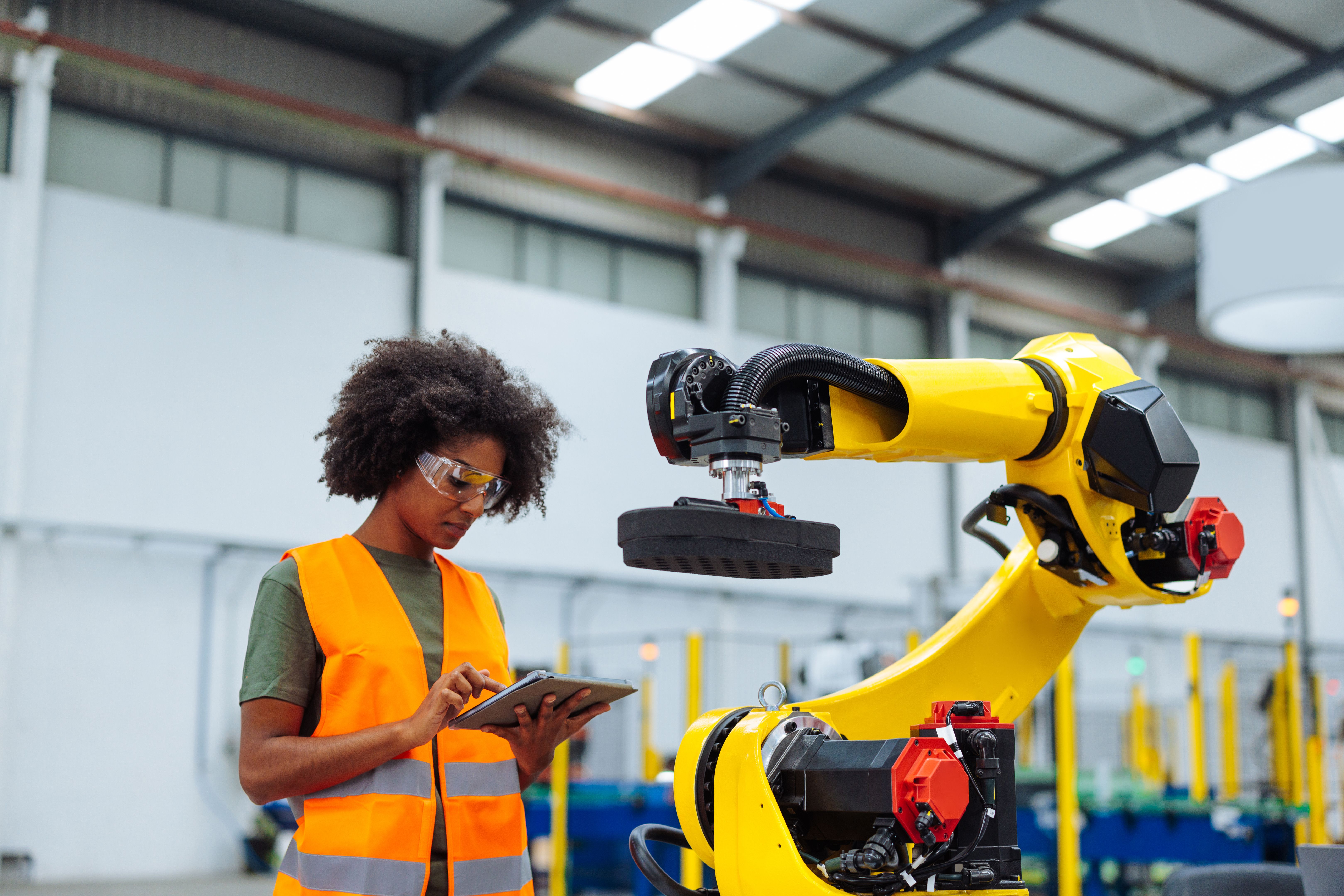
In the realm of manufacturing, mechatronics is integral to the development of robotic systems that perform complex tasks such as assembly, welding, and painting with high precision and efficiency. These robots not only increase production speed but also improve workplace safety by handling hazardous materials and tasks.
Challenges in Implementing Mechatronics Systems
Despite its numerous benefits, implementing mechatronics systems in industrial automation comes with challenges. One major hurdle is the high initial investment required for purchasing and integrating advanced technologies. However, the long-term savings from increased efficiency often justify this initial expenditure.
Another challenge is the need for skilled personnel to design, operate, and maintain these sophisticated systems. Companies must invest in training programs to equip their workforce with the necessary skills to manage mechatronic systems effectively.
The Future of Mechatronics in Automation
The future of mechatronics in industrial automation looks promising. As technology continues to advance, we can expect further integration of artificial intelligence and machine learning into mechatronic systems. These advancements will likely lead to even smarter and more autonomous industrial processes.
Moreover, the ongoing development of the Internet of Things (IoT) means that more devices will be interconnected, allowing for better data collection and analysis. This connectivity will enable predictive maintenance and real-time monitoring, further enhancing efficiency and reducing downtime.