
Sodium Chlorate: Applications and Safety Measures for Industrial Use
CH
Understanding Sodium Chlorate
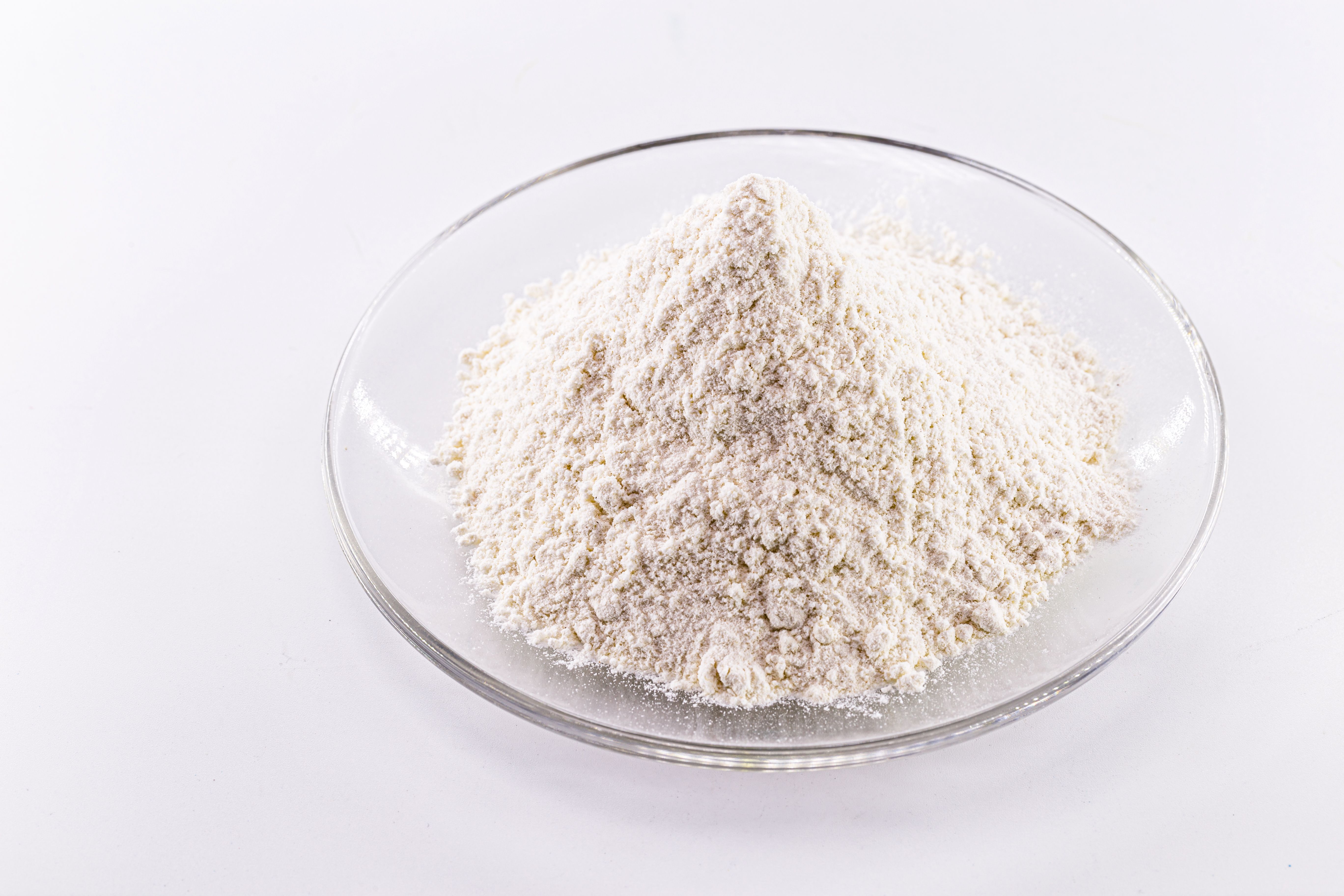
Sodium chlorate is a versatile chemical compound that has become integral in various industrial applications. As an inorganic compound, it is known for its strong oxidizing properties, making it a crucial component in many sectors. Typically appearing as a white crystalline powder, sodium chlorate is highly soluble in water and can be hazardous if not handled with care.
Industries ranging from agriculture to paper manufacturing rely heavily on sodium chlorate. Given its extensive use, understanding its applications and safety measures is essential for those handling this compound.
Key Applications of Sodium Chlorate
Agriculture
In agriculture, sodium chlorate is utilized primarily as a herbicide. It is effective in controlling a wide range of weeds, ensuring better crop yields and healthier plants. The compound works by disrupting the photosynthesis process in plants, leading to their eventual death. Its use must be carefully managed to avoid unintended damage to crops.
Pulp and Paper Industry
The pulp and paper industry is another major consumer of sodium chlorate. It plays a significant role in the bleaching process of wood pulp, helping to produce bright white paper products. By converting sodium chlorate into chlorine dioxide, the industry can effectively bleach pulp without the harmful environmental effects associated with chlorine gas.

Other Industrial Uses
Beyond agriculture and paper production, sodium chlorate finds applications in other industries such as mining and textiles. In mining, it is used as an oxidizing agent to extract metals from ores. In the textile industry, it aids in the bleaching of fabrics, ensuring vibrant colors and clean finishes.
Safety Measures for Handling Sodium Chlorate
Storage and Handling
Due to its oxidizing properties, sodium chlorate must be stored and handled with utmost care. It should be kept in a cool, dry place away from any organic materials or flammable substances. Proper containment measures should be in place to prevent accidental spills or leaks.
Personal Protective Equipment (PPE)
When working with sodium chlorate, the use of personal protective equipment (PPE) is crucial. This includes wearing gloves, goggles, and protective clothing to minimize direct exposure. Inhalation of dust or fumes should be avoided by using appropriate respiratory protection.

Emergency Procedures
In case of accidental exposure or spills, having an emergency response plan is vital. This includes immediate evacuation of the area and informing emergency services. First aid measures should be known by all personnel, including rinsing affected skin with water and seeking medical attention if necessary.
The safe use of sodium chlorate in industrial applications hinges on stringent adherence to safety protocols. With the right precautions, industries can harness its benefits while minimizing risks to workers and the environment.