
The Comprehensive Guide to Sodium Chlorate: Applications and Safety
CH
Understanding Sodium Chlorate
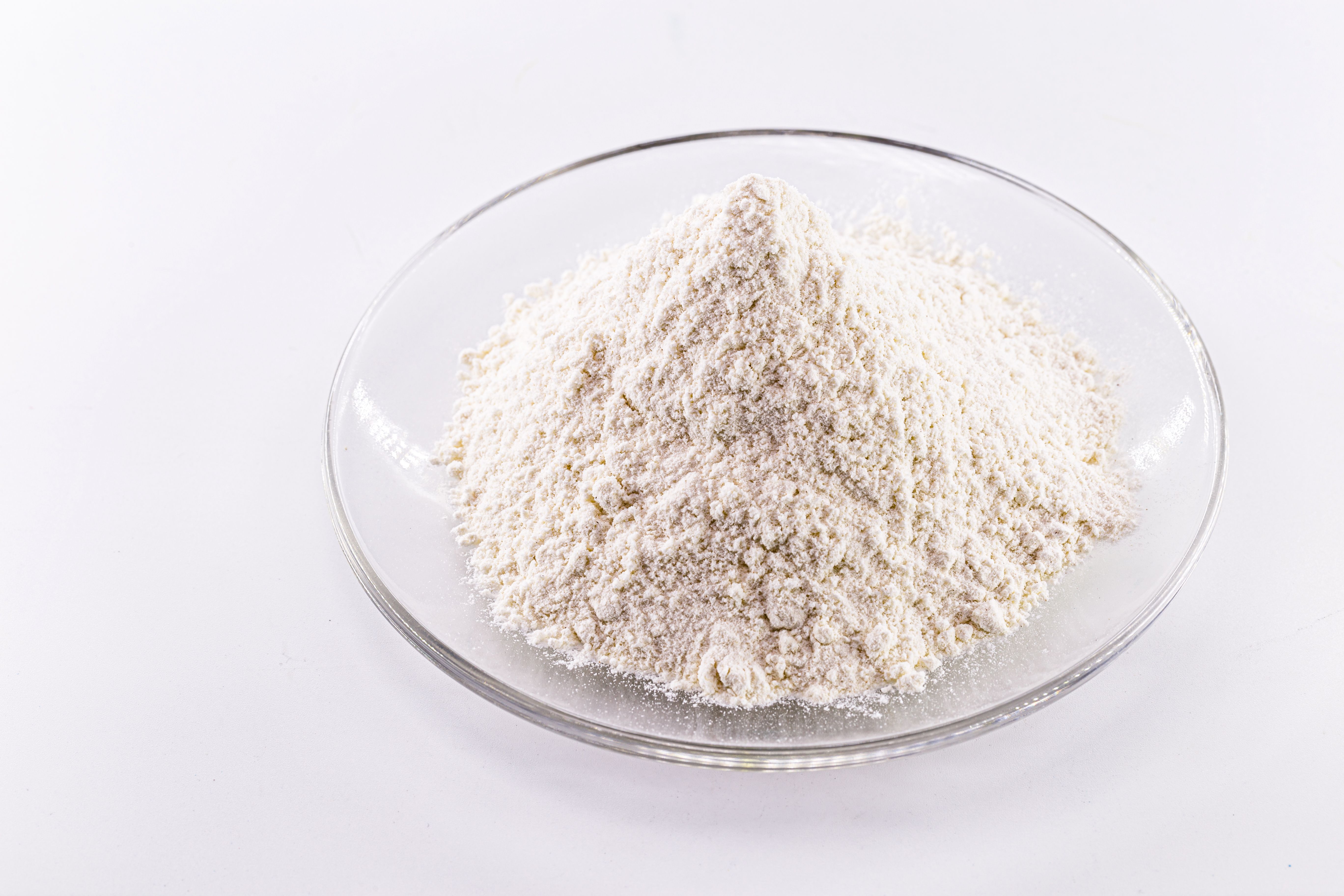
Sodium chlorate is a versatile chemical compound with the formula NaClO₃. It appears as a white crystalline powder or colorless crystals and is highly soluble in water. This compound is primarily known for its oxidative properties, making it a valuable asset in various industrial applications. Its diverse uses and the need for safe handling make it an important subject for both manufacturers and consumers.
Industrial Applications of Sodium Chlorate
Pulp and Paper Industry
One of the most significant applications of sodium chlorate is in the pulp and paper industry. It is used as a bleaching agent to produce chlorine dioxide, which is crucial for whitening paper products. The ability to produce high-quality, bright, and clean paper makes sodium chlorate indispensable in this sector.
Agriculture
In agriculture, sodium chlorate serves as a non-selective herbicide. It effectively controls unwanted vegetation and weeds, aiding in the maintenance of clear fields and pathways. However, its use in agriculture must be managed carefully due to its potential environmental impact.

Chemical Manufacturing
Sodium chlorate is also employed in the production of other chemicals, such as perchlorates and chlorine dioxide. Its oxidative properties make it a key component in chemical manufacturing processes, contributing to the synthesis of various compounds essential for multiple industries.
Safety Considerations for Sodium Chlorate
Handling Precautions
Due to its oxidative nature, sodium chlorate must be handled with care. It can pose a fire risk when in contact with combustible materials. Therefore, it is crucial to store it in a cool, dry place away from any substances that could ignite.

Health Risks
Exposure to sodium chlorate can be hazardous to health. Inhalation or ingestion may lead to irritation of the respiratory tract, nausea, or more severe health issues. It is essential to use appropriate personal protective equipment (PPE) when handling this chemical to minimize health risks.
Environmental Impact
The environmental impact of sodium chlorate must be considered, especially when used as a herbicide. Its potential to contaminate water sources or affect non-target plants and wildlife requires careful application and strict adherence to environmental guidelines.

Conclusion
Sodium chlorate is a crucial chemical with wide-ranging applications across several industries. While its benefits are substantial, it demands careful handling and consideration of safety protocols due to its oxidative properties and potential health risks. By understanding its applications and ensuring proper safety measures, industries can effectively leverage sodium chlorate's capabilities while minimizing risks to health and the environment.