
The Role of Mechatronics in Modern Industrial Solutions
CH
Understanding Mechatronics
Mechatronics is a multidisciplinary field that combines mechanical engineering, electronics, computer science, and control engineering to design and create more efficient and versatile systems. In today's rapidly evolving industrial landscape, mechatronics plays a crucial role in developing innovative solutions that enhance productivity and streamline processes.
The integration of these disciplines allows engineers to design systems that are not only more intelligent but also more adaptable to the changing demands of modern industries. By using sensors, actuators, and intelligent control systems, mechatronics enables machines to perform complex tasks with precision and efficiency.
Applications in Industry
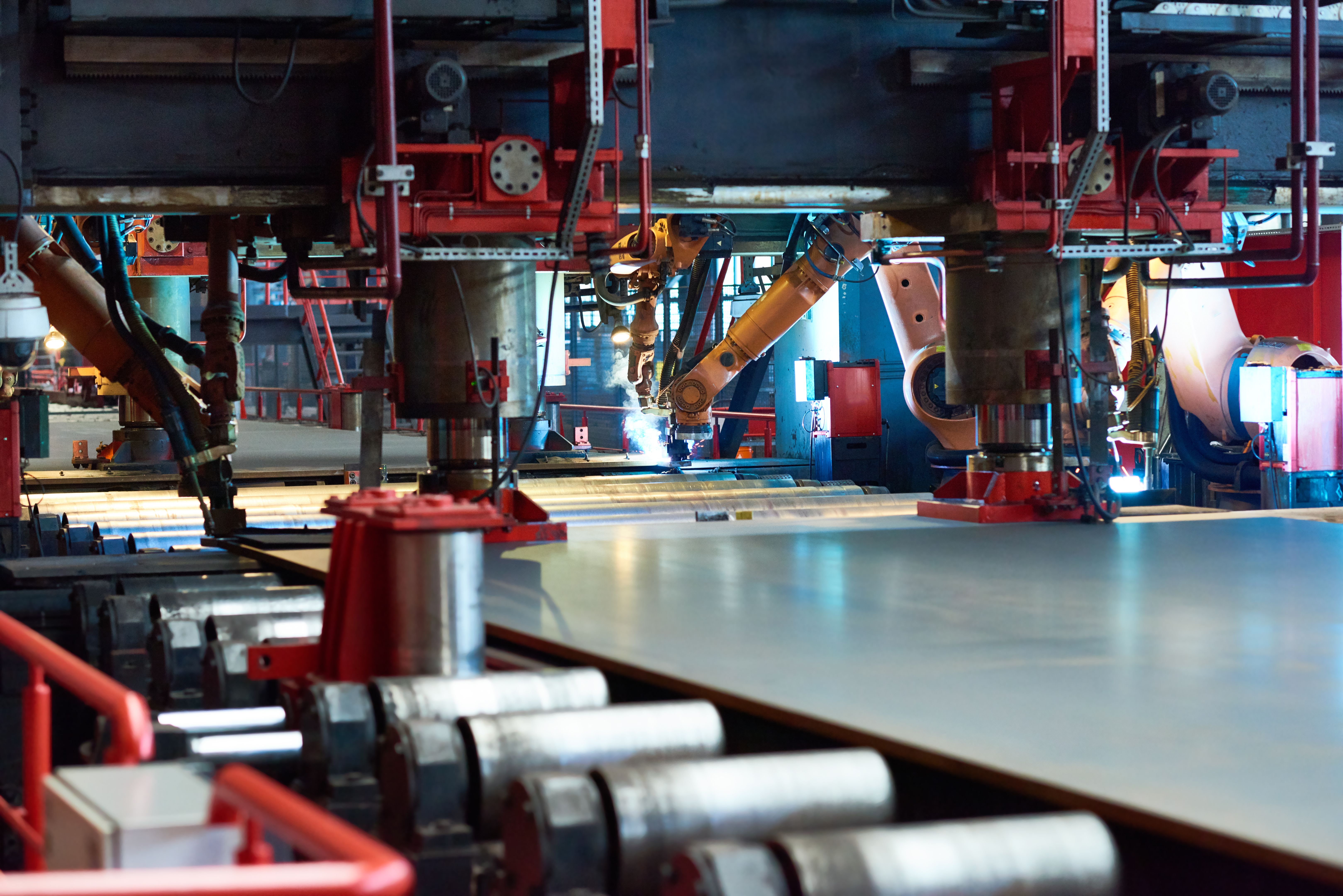
In industrial settings, mechatronics is applied in various domains to improve operational efficiency. From manufacturing to agriculture, mechatronics solutions are driving advancements in automation and robotics. These technologies allow industries to reduce labor costs, increase production speed, and maintain high-quality standards.
For instance, in the automotive industry, mechatronic systems are used to automate assembly lines, ensuring that each component is precisely placed and secured. Similarly, in agriculture, automated machinery equipped with mechatronic systems can plant, harvest, and sort crops with minimal human intervention.
Enhanced Precision and Control
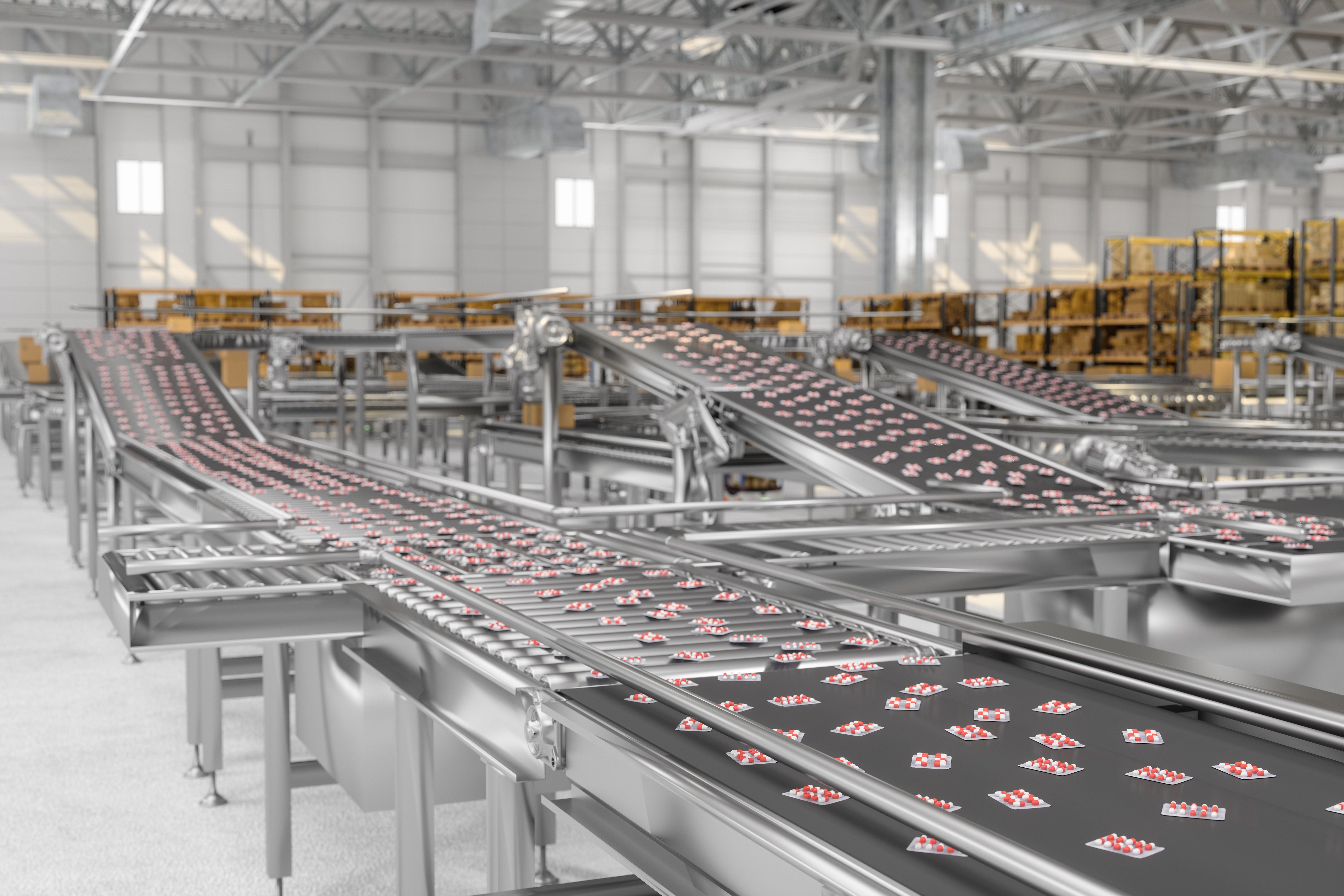
One of the significant advantages of mechatronics in industrial applications is the enhanced precision and control it offers. By integrating sensors and feedback mechanisms, mechatronic systems can monitor and adjust their operations in real-time. This capability is particularly useful in processes that require high levels of accuracy, such as semiconductor manufacturing or pharmaceutical production.
Advancements in Robotics
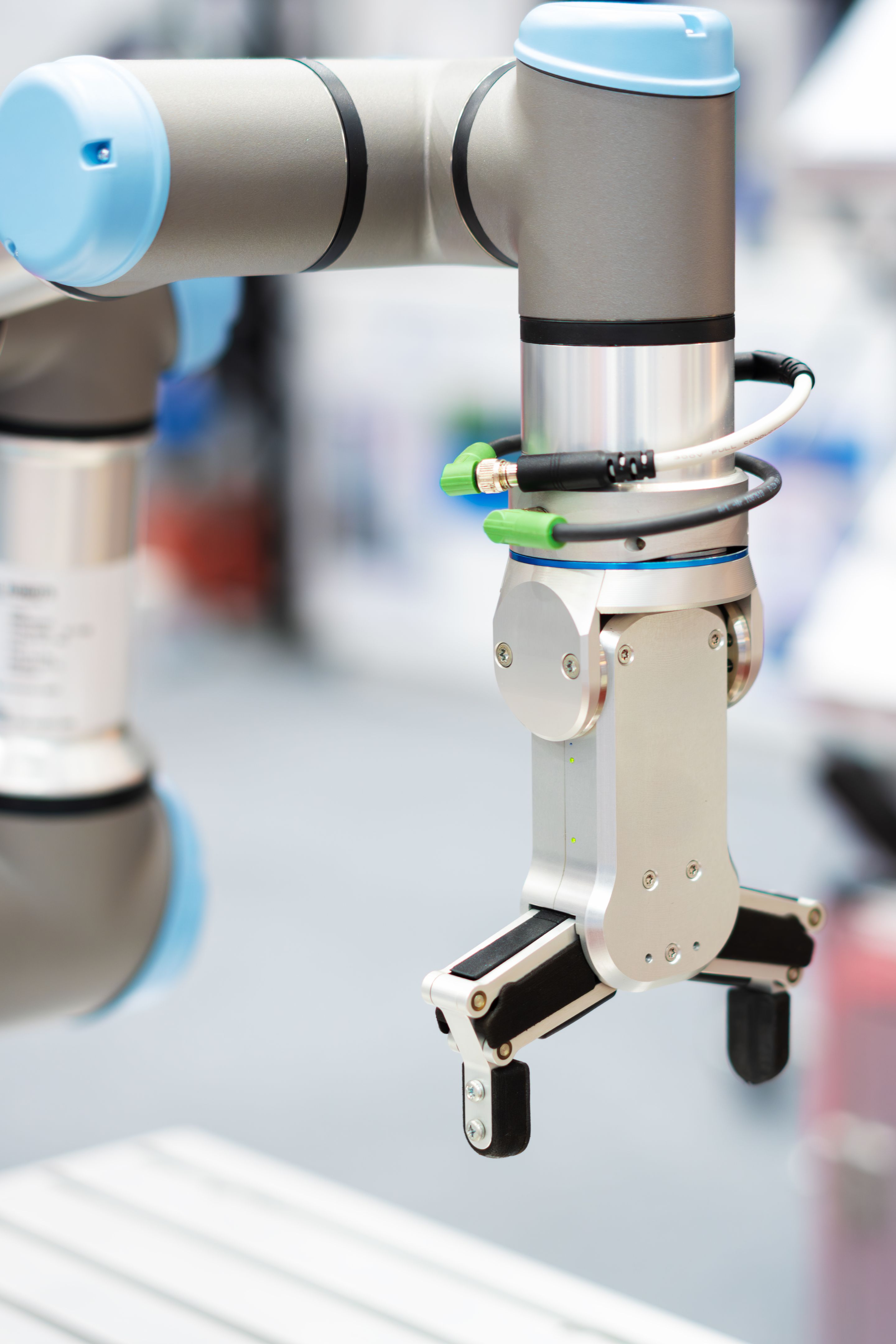
The field of robotics has greatly benefited from the principles of mechatronics. Modern robots are capable of performing tasks that were previously unimaginable, thanks to the seamless integration of mechanical components and intelligent control systems. These advancements have led to the development of collaborative robots, or cobots, which work alongside humans to enhance productivity and safety in the workplace.
Cobots are equipped with advanced sensors that allow them to interact safely with human operators. They can take over repetitive or dangerous tasks, freeing up human workers to focus on more complex or creative aspects of their jobs.
The Future of Mechatronics in Industry
As industries continue to embrace digital transformation, the role of mechatronics is set to expand even further. Innovations such as the Internet of Things (IoT), artificial intelligence (AI), and machine learning are expected to be integrated into mechatronic systems, making them even smarter and more capable.
The future will likely see an increase in autonomous systems that can operate without human intervention. These systems will be able to learn from their environments and make decisions based on real-time data analysis, leading to unprecedented levels of efficiency and adaptability.
The Importance of Continuous Development
For businesses to remain competitive in this evolving landscape, they must invest in the continuous development of mechatronic solutions. This involves not only adopting new technologies but also ensuring that their workforce is equipped with the necessary skills to implement and manage these advanced systems.

In conclusion, mechatronics is a key driver of innovation in modern industrial solutions. By embracing the potential of this multidisciplinary field, industries can achieve greater efficiency, flexibility, and competitiveness in an ever-changing global market.