
The Role of Mechatronics in Modern Manufacturing
CH
Understanding Mechatronics
In the ever-evolving world of manufacturing, mechatronics has emerged as a pivotal discipline. Combining mechanics, electronics, and computing, mechatronics enhances the efficiency and functionality of modern manufacturing systems. This interdisciplinary field plays a crucial role in designing and controlling advanced automation processes.
Mechatronics integrates various technologies to create smarter systems that can adapt to changing conditions and optimize production processes. With its ability to enhance precision and reliability, mechatronics is indispensable in the quest for innovation and improvement in manufacturing.
Key Components of Mechatronics
Mechanical Systems
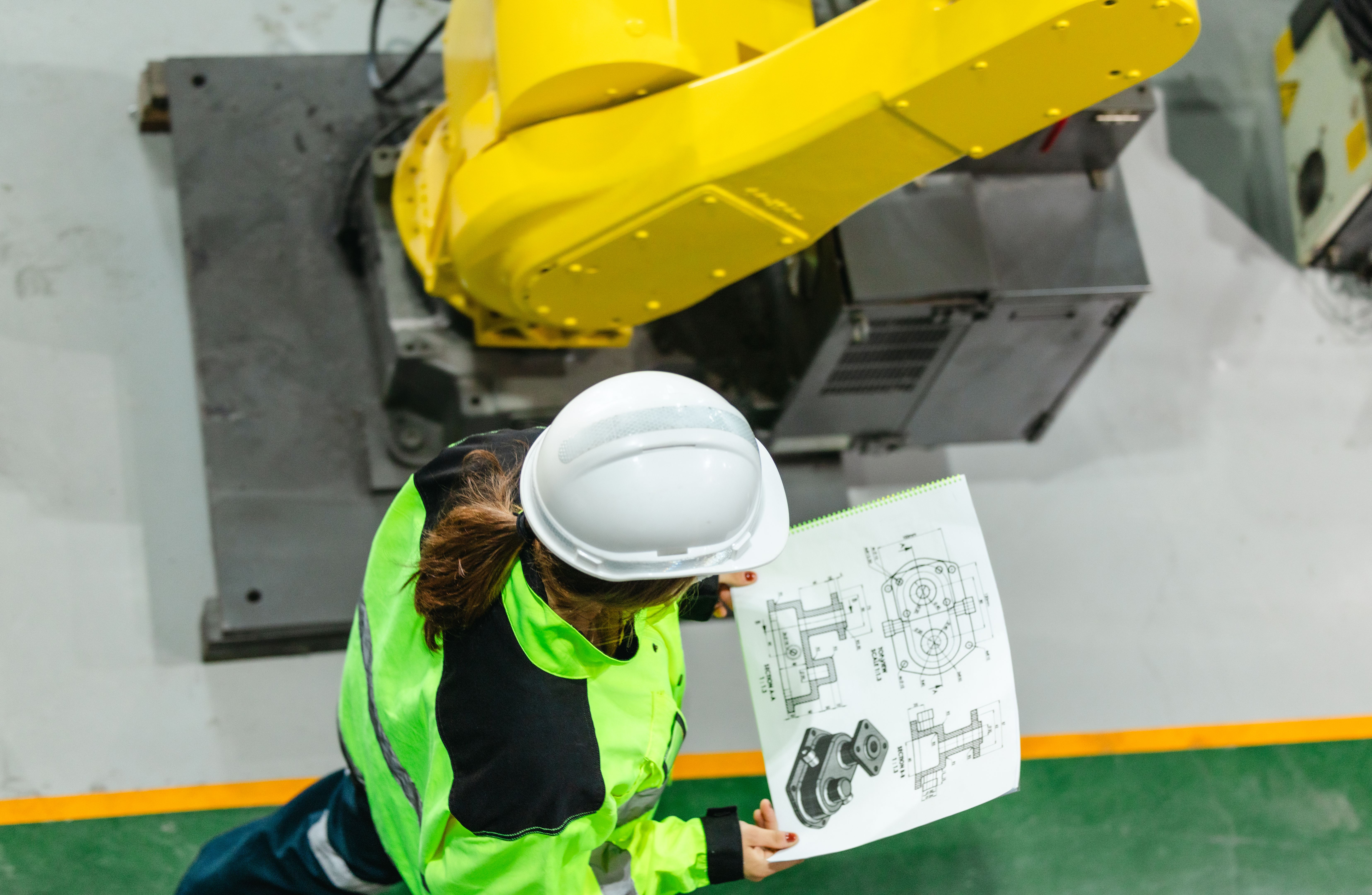
The mechanical aspect of mechatronics deals with the design and development of physical structures and mechanisms. This includes everything from simple levers to complex robotic arms that perform intricate tasks. The goal is to create systems that are both robust and efficient, ensuring seamless operation in various manufacturing environments.
Electronic Systems
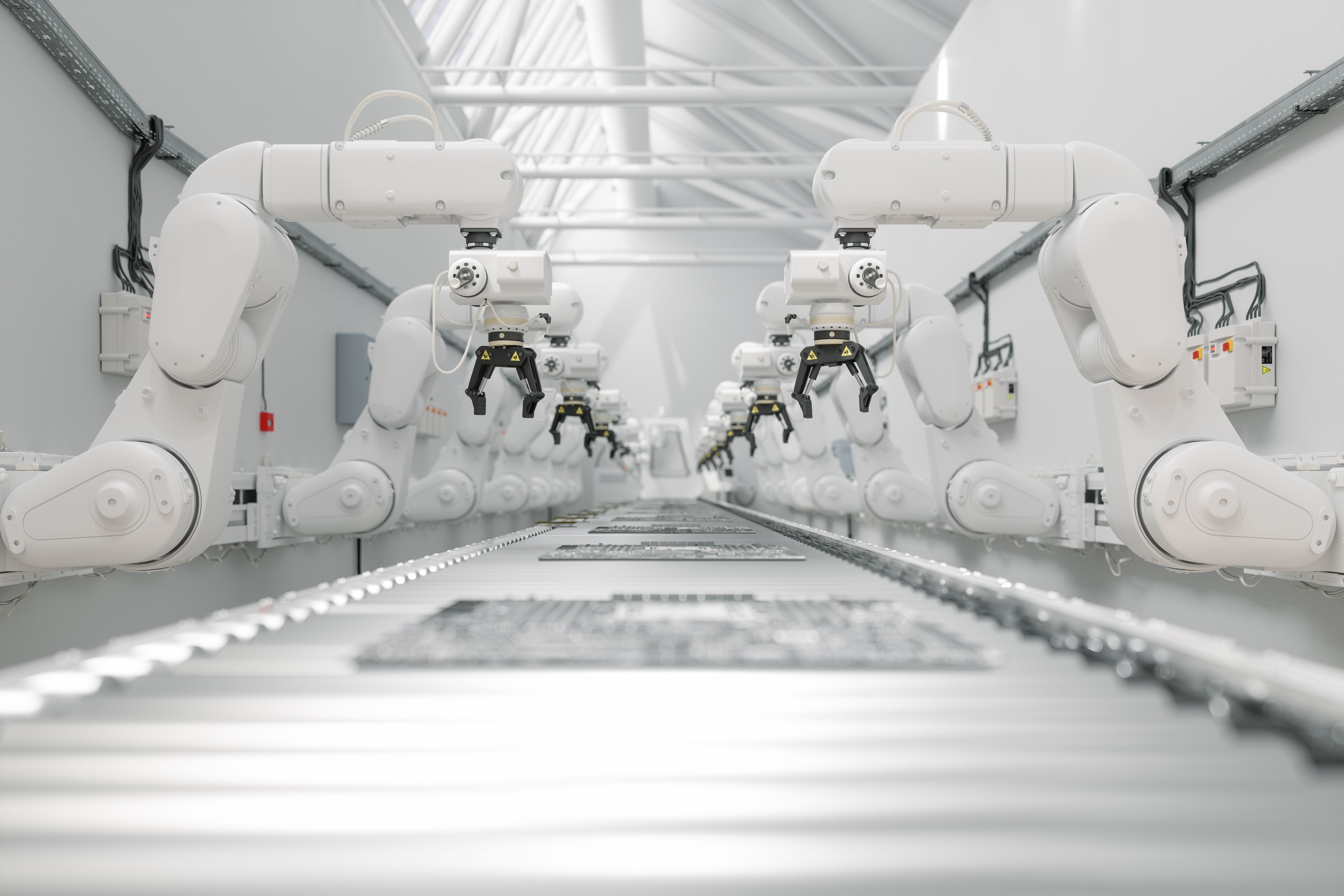
Electronics form the backbone of mechatronic systems. They involve sensors, actuators, and various control devices that enable machines to interact with their surroundings. By converting physical phenomena into electrical signals, electronic components allow for precise control and monitoring of manufacturing processes.
Computational Systems
Computing power is essential in mechatronics, providing the ability to process data and execute control algorithms. Advanced software solutions allow manufacturers to simulate production scenarios, optimize machine performance, and predict maintenance needs. This computational capacity ensures that manufacturing systems remain agile and responsive.
Benefits of Mechatronics in Manufacturing
The integration of mechatronics into manufacturing offers several significant benefits that enhance productivity and efficiency:
- Increased Automation: Mechatronics enables higher levels of automation, reducing the reliance on manual labor and increasing production speed.
- Improved Precision: With precise control systems, mechatronic solutions ensure higher accuracy in manufacturing processes.
- Enhanced Flexibility: Mechatronic systems can be easily reprogrammed or modified to accommodate new products or changes in production lines.
The Future of Mechatronics in Manufacturing
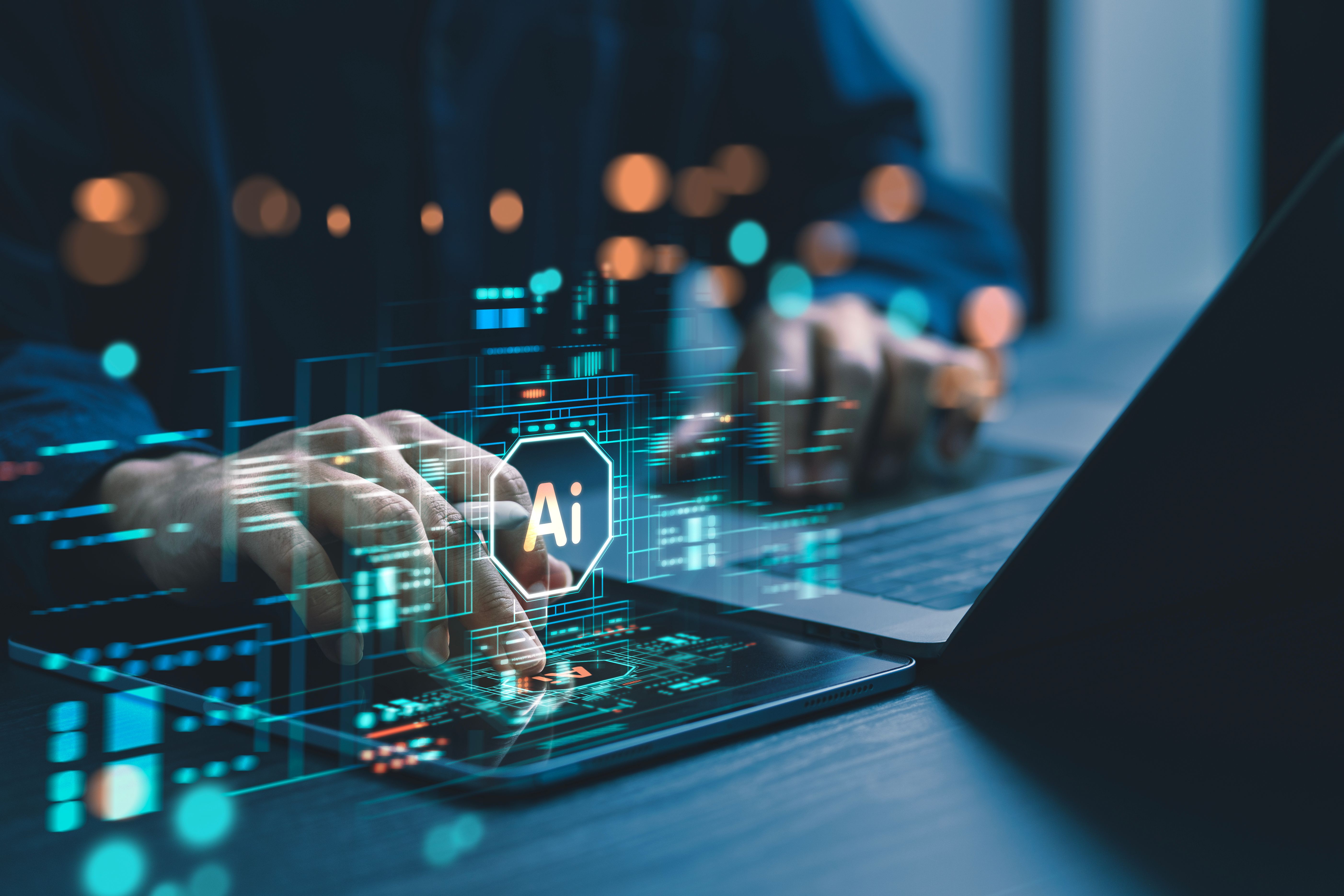
As technology continues to advance, the role of mechatronics in manufacturing is expected to grow even further. Innovations such as artificial intelligence, machine learning, and the Internet of Things (IoT) are set to integrate seamlessly with mechatronic systems, creating smarter factories.
The future holds the promise of fully autonomous production lines where machines communicate and collaborate without human intervention. These smart factories will not only boost efficiency but also contribute to sustainable manufacturing practices by minimizing waste and energy consumption.
In conclusion, mechatronics is a cornerstone of modern manufacturing, driving innovation and efficiency across industries. As manufacturers continue to adopt this interdisciplinary approach, the potential for further advancements in productivity and sustainability is immense.