
The Role of Sodium Chlorate in Sustainable Industrial Solutions
CH
Introduction to Sodium Chlorate
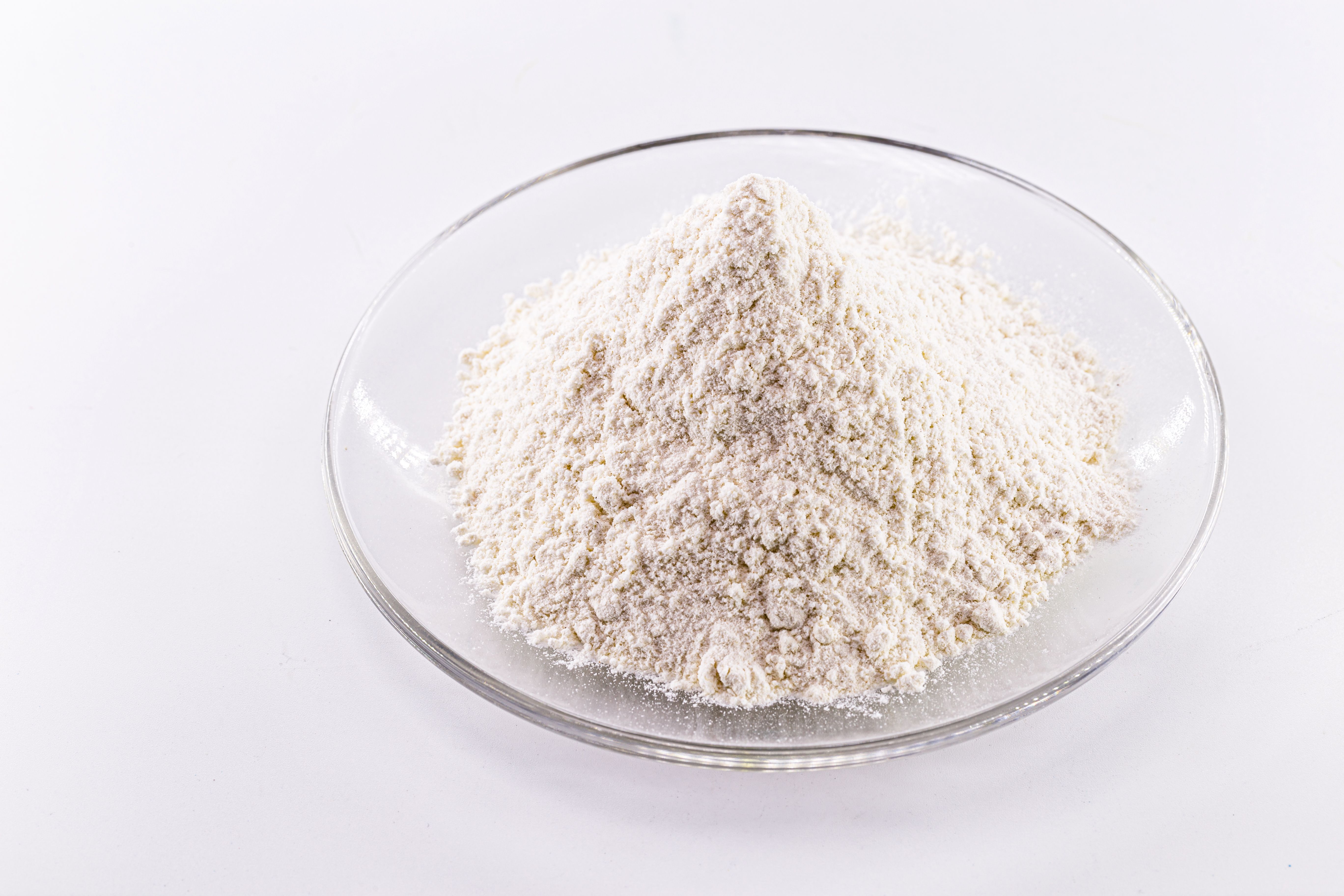
Sodium chlorate is a versatile chemical compound that plays a crucial role in various industrial and sustainable solutions. As the world shifts towards more environmentally friendly practices, the use of sodium chlorate in different sectors is becoming increasingly significant.
This compound is primarily used in the pulp and paper industry, but its applications extend beyond to include water treatment, agriculture, and even energy storage solutions. Understanding its role can help industries adopt more sustainable practices.
Sodium Chlorate in the Pulp and Paper Industry
The pulp and paper industry has long relied on sodium chlorate for its bleaching processes. This compound is essential for producing chlorine dioxide, a bleaching agent that is both effective and environmentally friendly. The use of sodium chlorate in this context helps reduce the environmental footprint of pulp and paper production.
Chlorine dioxide, derived from sodium chlorate, is preferred because it minimizes the production of harmful by-products compared to traditional chlorine-based bleaching methods. This shift not only enhances the quality of paper but also supports the industry's move towards sustainability.
Water Treatment and Environmental Impact
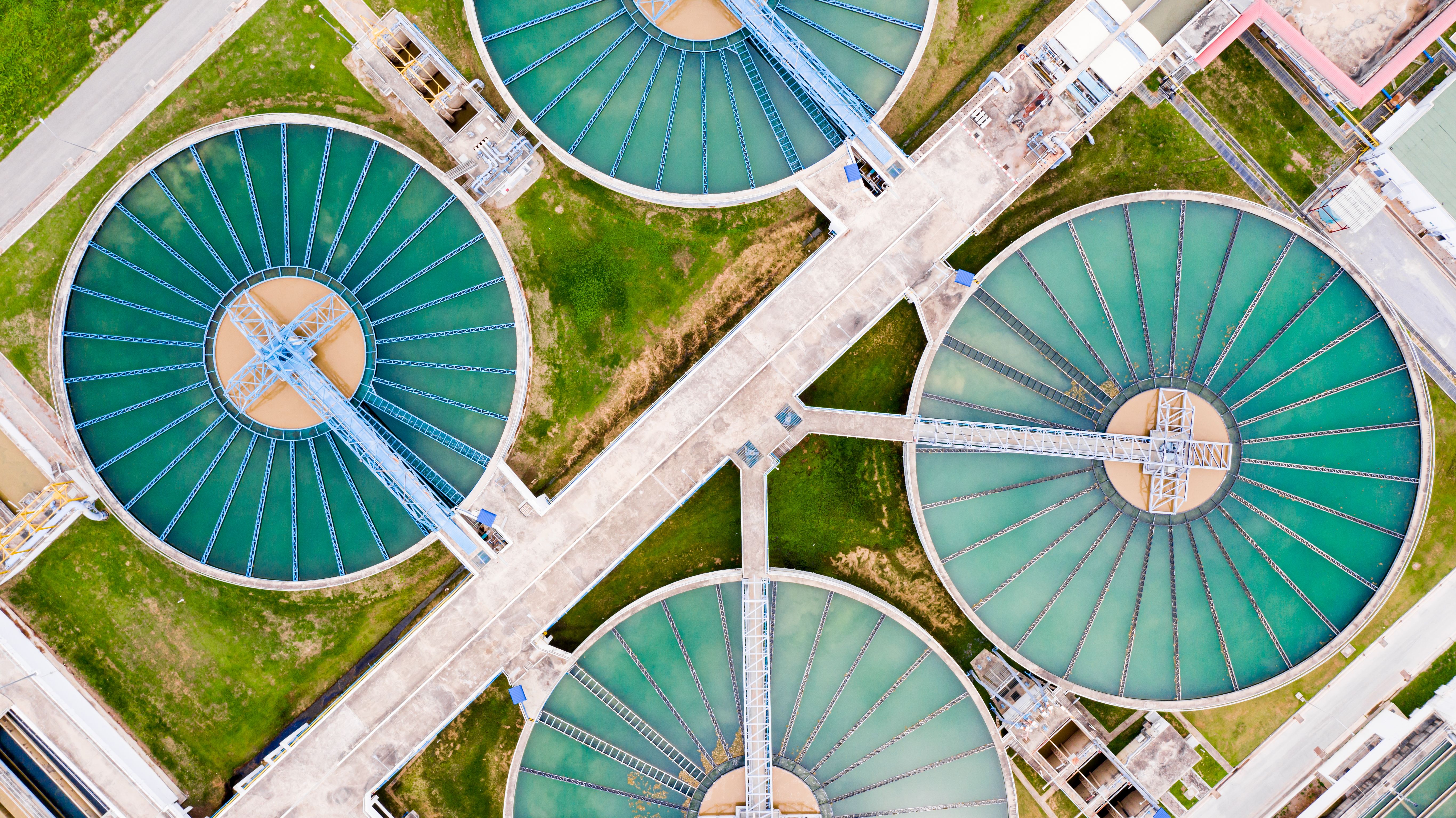
Another critical application of sodium chlorate is in water treatment processes. It is used to produce chlorine dioxide, which serves as a disinfectant in municipal water supplies. This ensures safe drinking water while reducing the reliance on more harmful chemicals.
The environmental impact of using sodium chlorate in water treatment is positive, as it helps in maintaining clean water systems without introducing additional pollutants. This aligns with global efforts to improve water quality and accessibility.
Role in Agriculture
Sodium chlorate also finds its application in agriculture as a defoliant and desiccant. It helps prepare crops for harvest by removing leaves, making the process more efficient. This application contributes to better crop management and yield.
While its use must be managed carefully to prevent environmental harm, sodium chlorate's role in agriculture underscores its importance in supporting sustainable food production practices.
Innovative Energy Storage Solutions
Beyond traditional industries, sodium chlorate is being explored for use in innovative energy storage solutions. Research is ongoing into its potential role in battery technology, particularly for large-scale energy storage systems that support renewable energy sources like solar and wind power.

Challenges and Considerations
Despite its many benefits, the use of sodium chlorate comes with certain challenges. Handling and storage require strict safety protocols due to its oxidizing properties. Ensuring safe practices across industries is vital to mitigate potential risks.
Industries must balance the benefits of sodium chlorate with responsible usage and disposal practices to minimize any adverse environmental impact.
The Future of Sodium Chlorate in Sustainable Solutions
As industries continue to seek sustainable solutions, sodium chlorate's role is expected to expand. Ongoing research and development efforts aim to optimize its applications while reducing environmental risks further.
By incorporating sodium chlorate into innovative processes, industries can enhance their sustainability credentials and contribute positively to global environmental goals.
Conclusion
Sodium chlorate is a key player in advancing sustainable industrial solutions across various sectors. From improving paper production processes to supporting clean water initiatives and exploring new energy storage possibilities, its impact is widespread and significant.
As we move towards a more sustainable future, the strategic use of compounds like sodium chlorate will be crucial in achieving environmental objectives while maintaining industrial efficiency and productivity.