
Top Considerations When Choosing a Chiller for Industrial Use
CH
Understanding Your Cooling Needs
When selecting a chiller for industrial use, the first step is to clearly understand your cooling requirements. Consider the heat load that needs to be dissipated, as this will directly influence the size and capacity of the chiller you require. Calculate the total heat generated by your processes and ensure the chiller can handle this efficiently.
Another important factor is the ambient temperature of the environment where the chiller will be installed. Extreme temperatures can affect the chiller's performance, so choose a unit that can operate effectively under your specific conditions.
Types of Chillers
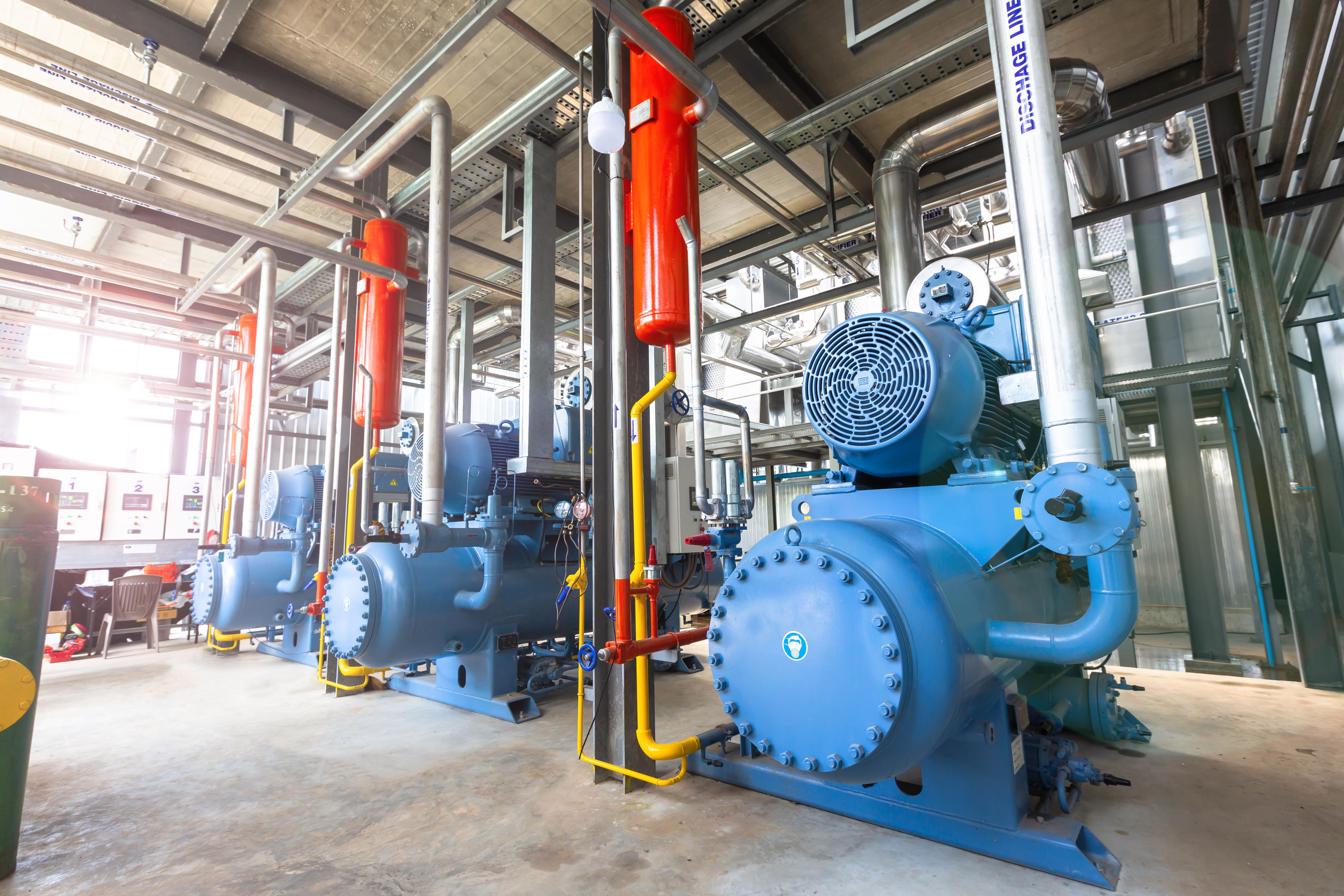
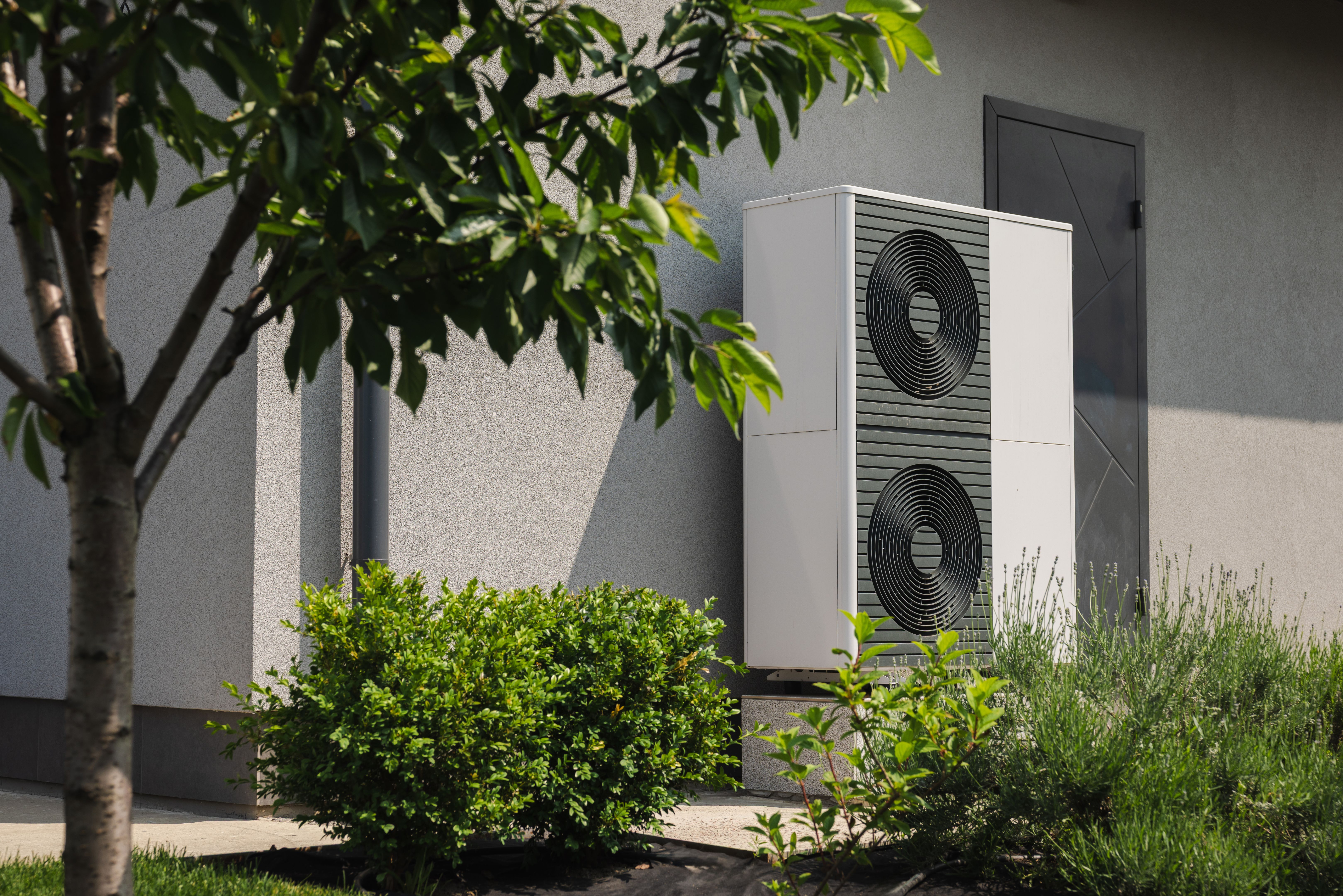
There are several types of chillers available, each suited for different applications. The main types include air-cooled, water-cooled, and evaporative chillers. Air-cooled chillers are typically easier to install and maintain, while water-cooled chillers offer higher energy efficiency. Evaporative chillers are a good middle ground, providing efficient cooling with lower water consumption.
Consider the specific needs of your facility and the pros and cons of each type to determine the best fit for your operations. Analyzing your available resources, such as water supply and space, can also guide your decision.

Energy Efficiency and Operating Costs
Energy efficiency is a critical consideration when choosing an industrial chiller. Look for chillers with high Coefficient of Performance (COP) ratings, as these units will consume less energy for the same cooling output. Investing in an energy-efficient chiller can lead to significant cost savings over its operational lifespan.
Additionally, consider the overall operating costs, including maintenance and repair expenses. Some chillers may have a higher upfront cost but offer lower operating expenses due to their efficiency and reliability.
Reliability and Maintenance
Reliability is crucial in industrial settings, where downtime can lead to significant losses. Choose a chiller from a reputable manufacturer known for producing durable and reliable equipment. Check for features such as built-in redundancy and advanced monitoring systems that can enhance reliability.
Regular maintenance is essential to ensure the chiller operates at peak efficiency. Opt for a chiller with easy access to components for maintenance and repairs. Some modern chillers come with smart diagnostics and remote monitoring capabilities, simplifying maintenance tasks.
Environmental Impact
Consider the environmental impact of the chiller. Look for units that use eco-friendly refrigerants with low Global Warming Potential (GWP) and Ozone Depletion Potential (ODP). Selecting a chiller that aligns with environmental regulations can also help future-proof your investment.
Implementing energy-efficient practices and choosing a chiller with a smaller carbon footprint can contribute to your company's sustainability goals.

Conclusion
Choosing the right chiller for industrial use involves careful consideration of various factors, including cooling needs, chiller types, energy efficiency, reliability, and environmental impact. By evaluating these aspects, you can select a chiller that not only meets your operational requirements but also aligns with your financial and sustainability goals. Take the time to research and consult with experts to make an informed decision that will benefit your business in the long run.