
Understanding the Role of Sodium Chlorate in Industrial Applications
CH
Introduction to Sodium Chlorate
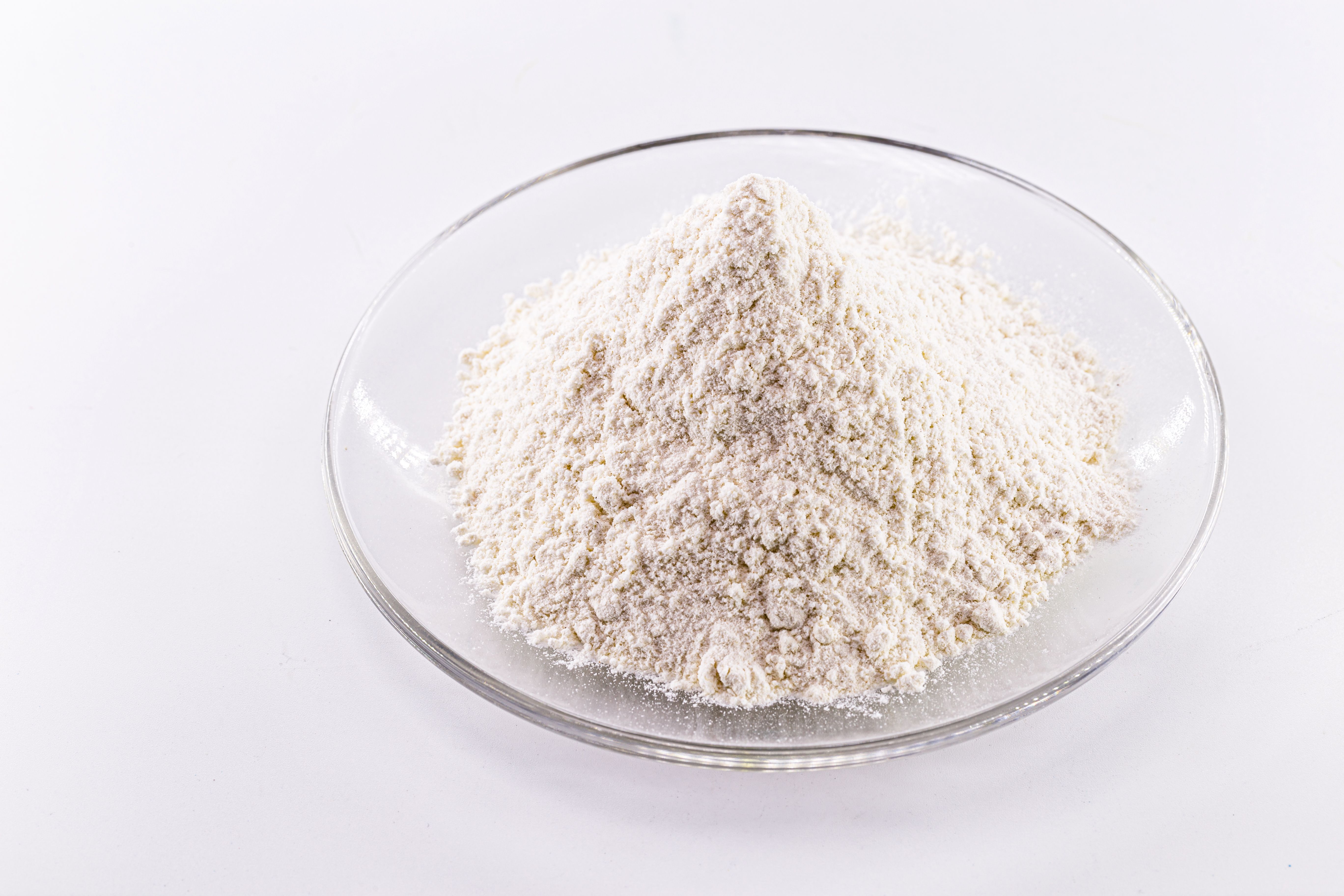
Sodium chlorate is a versatile chemical compound with the formula NaClO3. It is predominantly used in industrial applications due to its strong oxidizing properties. This white crystalline substance is highly soluble in water, which enhances its usability in various sectors. Understanding its role and applications can provide valuable insights into its importance in the industrial landscape.
Key Industrial Applications
Sodium chlorate plays a crucial role in several industrial processes. One of its primary applications is in the pulp and paper industry. It is used to produce chlorine dioxide, a bleaching agent that ensures the whiteness and brightness of paper. The compound's oxidizing properties make it an ideal choice for this purpose.
Another significant application of sodium chlorate is in agriculture. It is used as a herbicide to control unwanted vegetation, particularly in non-crop areas like roadsides and railways. The effectiveness of sodium chlorate in managing weeds makes it a valuable tool for maintaining clear pathways and reducing fire hazards.

Role in Chemical Manufacturing
In the realm of chemical manufacturing, sodium chlorate serves as a precursor for producing other chemicals. Its ability to release oxygen upon decomposition makes it useful in synthesizing perchlorates and other oxidizing agents. This property is harnessed in various chemical processes, further expanding its industrial significance.
Moreover, sodium chlorate is employed in the production of dyes and explosives. Its oxidizing nature facilitates reactions that are essential for creating these products. As such, it is a staple component in the chemical manufacturing sector, supporting diverse production lines.

Safety Considerations
While sodium chlorate is beneficial, handling it requires caution due to its oxidizing nature. It can pose risks if not managed properly, especially when mixed with combustible materials. Industries using sodium chlorate must adhere to stringent safety protocols to prevent accidents and ensure worker safety.
Proper storage and handling are crucial to minimize risks associated with this chemical. Facilities must implement comprehensive safety measures, including adequate ventilation, protective gear, and fire suppression systems. By doing so, industries can harness the advantages of sodium chlorate while mitigating potential hazards.
Environmental Impact
The environmental impact of sodium chlorate is another consideration for industries. Although it is an effective herbicide, its use must be controlled to prevent adverse effects on non-target plant species and ecosystems. Regulatory guidelines help ensure that its application is responsible and sustainable.
Industries are encouraged to adopt environmentally friendly practices when using sodium chlorate. This includes exploring alternative methods for vegetation management and adhering to regulations that govern its usage. Balancing industrial needs with environmental protection is crucial for sustainable development.

Conclusion
Sodium chlorate's role in industrial applications is multifaceted, ranging from pulp bleaching to chemical manufacturing and agriculture. Its potent oxidizing properties make it indispensable across various sectors. However, responsible handling and adherence to safety guidelines are essential to maximize its benefits while minimizing potential risks. As industries continue to evolve, understanding and leveraging the capabilities of sodium chlorate will remain pivotal in meeting production demands efficiently and safely.