
Understanding the Role of Sodium Chlorate in Sustainable Manufacturing
CH
The Importance of Sodium Chlorate in Modern Industry
Sodium chlorate is a chemical compound that plays a crucial role in various industrial applications, particularly in sustainable manufacturing. As industries worldwide strive to reduce their environmental footprint, understanding the role and benefits of sodium chlorate becomes increasingly important. This compound is primarily used as an oxidizing agent, making it an essential component in several processes.
One of the most significant uses of sodium chlorate is in the production of chlorine dioxide, which is a key element in environmentally friendly bleaching processes. Unlike traditional methods that release harmful chemicals into the environment, chlorine dioxide bleaching minimizes ecological impact. This shift towards more sustainable practices underscores the growing demand for sodium chlorate.
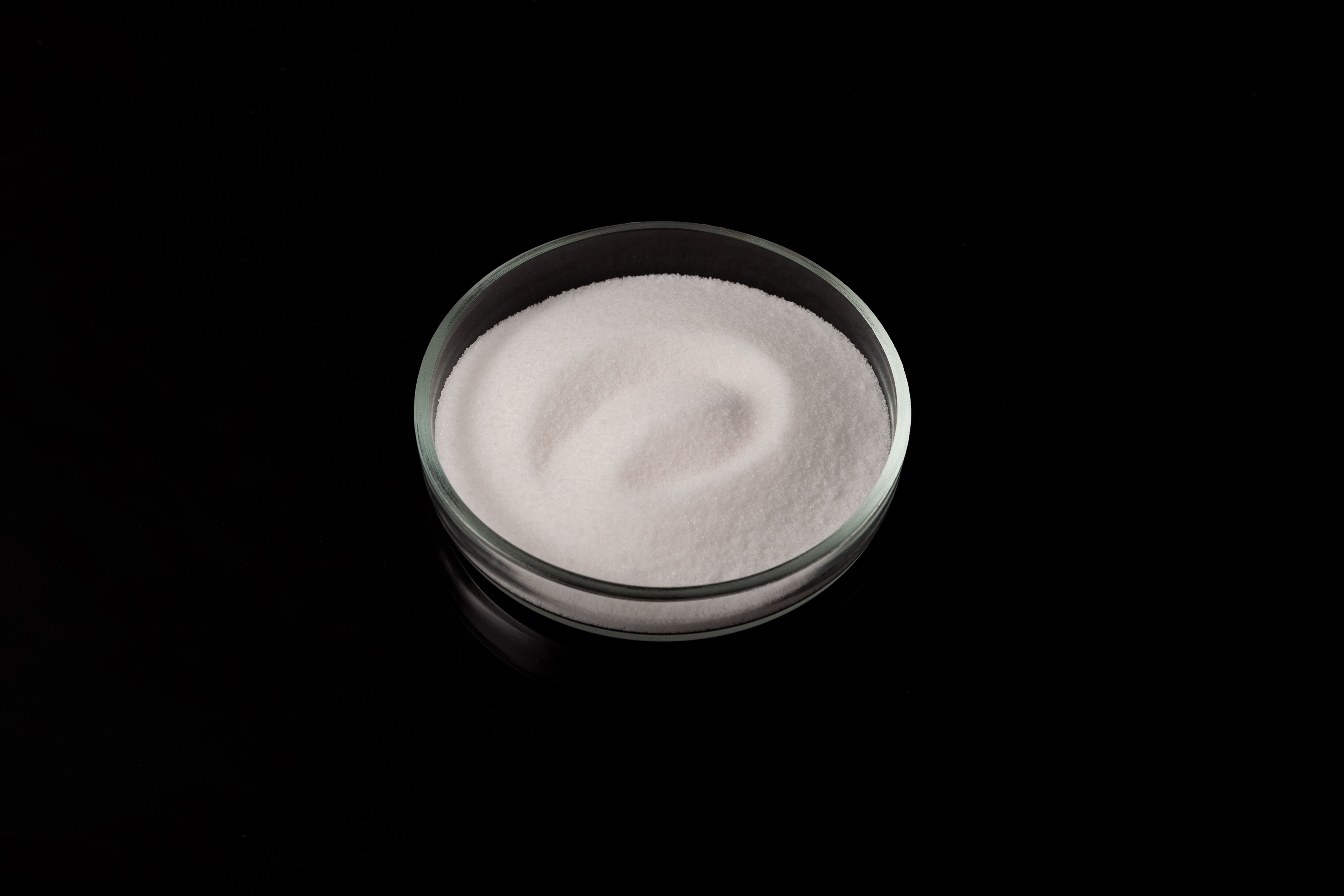
Sodium Chlorate in Pulp and Paper Manufacturing
The pulp and paper industry is one of the largest consumers of sodium chlorate. In this sector, sodium chlorate is used to produce chlorine dioxide for bleaching wood pulp. This method not only improves the quality and brightness of the paper but also reduces the release of toxic substances compared to older bleaching techniques.
By using sodium chlorate in the bleaching process, paper manufacturers can significantly lower their environmental impact. The resulting products are not only whiter and brighter but also more environmentally friendly, meeting stricter regulatory standards and consumer expectations for sustainability.

Environmental Benefits of Sodium Chlorate
Beyond its use in the pulp and paper industry, sodium chlorate offers broader environmental benefits. Its role as an oxidizing agent means it can help reduce emissions and pollutants in various industrial processes. This makes it a valuable component in efforts to transition to greener manufacturing practices.
Industries are increasingly seeking ways to decrease their carbon footprint and reduce waste. Sodium chlorate's ability to facilitate cleaner production processes aligns with these goals, making it a pivotal ingredient in achieving sustainable development objectives.

Innovations and Future Applications
As research and technology advance, new applications for sodium chlorate continue to emerge. Innovations in its use could potentially lead to even more sustainable solutions across different industries. For example, there is ongoing exploration into its application in the production of innovative materials and chemicals that have a reduced environmental impact.
The potential for sodium chlorate to contribute to cleaner energy solutions is also being investigated. Its properties may be harnessed in developing technologies that reduce reliance on fossil fuels and decrease greenhouse gas emissions. These future applications could further solidify sodium chlorate's role in sustainable manufacturing.
Challenges and Considerations
While sodium chlorate offers numerous benefits, there are challenges associated with its use that must be addressed. Handling and storage require careful attention due to its reactive nature. Industries must implement stringent safety measures to prevent accidents and ensure the safe use of this chemical.
Additionally, the production of sodium chlorate itself must be managed sustainably. Manufacturers are continually working on improving production methods to minimize waste and energy consumption, further enhancing its role as a sustainable solution.
Conclusion
Sodium chlorate is an indispensable component in sustainable manufacturing, with applications that extend across multiple industries. Its environmental benefits and potential for innovation make it a key player in efforts to create more eco-friendly industrial processes.
As industries continue to prioritize sustainability, the demand for sodium chlorate is likely to grow. Understanding its role and addressing associated challenges will be critical in realizing its full potential as a driver of sustainable development.